E-Newsletter
An Electronic Publication of the North Central Massachusetts Chamber of Commerce

Inside this edition, you’ll discover the latest Chamber initiatives and success stories from across our region. From economic development projects and upcoming networking events to policy updates and workforce training opportunities, we’re keeping you connected to what matters most for your business and North Central Massachusetts.
The North Central Massachusetts Chamber of Commerce is here to help – with trusted resources, a strong business network, and a support system to keep your business and the region moving forward
Sign provides recognition of civic pride for residents and visitors alike
The North Central Massachusetts Chamber of Commerce announced it sponsored the construction of a new welcome sign in the Town of Groton located on the common at the intersection of Route 119 and Nod Road.
The new sign is part of a project to construct welcome signs at key gateways in the region to boost civic pride and serve as a positive first impression for visitors.
The signs were designed and produced by Add-A-Sign in Leominster and represent the region’s traditional New England style. The Groton welcome sign includes a carving of the Town of Groton’s seal and is painted in the proud town color of maroon.
“One of the goals of our regional economic development plan, One North Central, was to capitalize on our region’s unique locations,” said Roy Nascimento, president and CEO, North Central Massachusetts Chamber of Commerce. “Each community brings a distinctive experience to the region and with this project, those entering Groton will receive a warm welcome as they arrive.”
“Groton has a rich history dating back to 1655, and we take great pride in our community’s heritage and character,” said Mark Haddad, town manager, Town of Groton. “This beautiful new welcome sign reflects our town’s identity and ensures everyone who enters Groton, whether visiting for the first time or returning home, knows they’ve arrived somewhere special. We’re grateful to the Chamber for this initiative.”
In addition to Groton, similar welcome signs have been installed at key gateways in Fitchburg, Gardner, Hubbardston, Leominster, Lunenburg, Pepperell, Sterling and Westminster. Each sign is carved with the community’s seal and painted to match their official colors. Additional signs will be constructed for other communities in North Central Massachusetts as funding becomes available.
North Central Massachusetts | Central Massachusetts | Massachusetts | Chamber of Commerce | North Central Massachusetts Chamber | Chamber of Commerce Membership | Chamber of Commerce Member Benefits | Chamber of Commerce near me | Blog
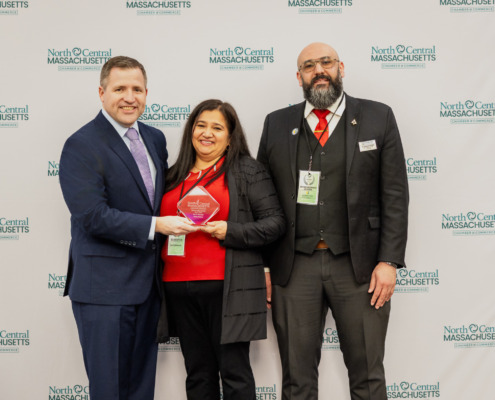
The future of North Central Massachusetts is in capable hands, as evidenced by the remarkable achievements of the 24 graduates who completed the Chamber’s Community Leadership Institute (CLI) program this year. These emerging leaders were recognized during the Chamber’s Annual Meeting on June 12, marking the culmination of a transformative nine-month journey.
The CLI program represents far more than professional development—it’s an investment in our region’s future. “The Chamber developed CLI to inspire a new generation of community leaders to enthusiastically assume important roles in their communities while motivating participants from diverse backgrounds to be influential in our region’s future,” explained Roy M. Nascimento, president and CEO of the North Central Massachusetts Chamber.
Running from October through June, the program includes an orientation and eight intensive, day-long sessions covering critical areas that shape our region. Participants dive deep into topics ranging from personal leadership and nonprofit governance to media communications, healthcare, law and justice, arts and culture, legislation, manufacturing, and economic development. This comprehensive curriculum ensures graduates understand the complex interconnections that drive regional success.
Mike Greenwood, Ph.D., chair of the business and technology department at Fitchburg State University and CLI program chairperson, was particularly impressed with this year’s cohort. “I am amazed with the dedication, creativity and motivation of our participants,” said Dr. Greenwood. “Programs like CLI are important to our community and help ensure a continuity of leadership, engagement and service as our region’s current leaders pass the baton to the next generation.”
What truly sets CLI apart is its emphasis on community service and real-world application. This year’s class demonstrated remarkable initiative, organizing food collections for local food pantries, collecting professional clothing for Fitchburg State University students, and providing financial literacy sessions to students across the region. They also rallied around a classmate who started a nonprofit to benefit cancer patients, showcasing the collaborative spirit that defines the program.
The impact continues well beyond graduation. The Class of 2025 is currently proposing mental health legislation, creating a support group for mothers, and recently organized a murder mystery gala to benefit Ginny’s Helping Hand in Leominster.
When asked about their favorite aspects of the program, participants consistently highlighted the relationships with fellow classmates as the most meaningful takeaway. These connections, forged through shared experiences and collaborative projects, create a network of engaged leaders committed to our region’s prosperity.
The CLI experience also provided participants with invaluable leadership lessons, insightful site visits, deeper community connections, and a more comprehensive understanding of the local region—all essential tools for effective leadership.
The Community Leadership Institute stands as a testament to the Chamber’s commitment to developing homegrown talent and ensuring strong leadership continuity in North Central Massachusetts. With each graduating class, we’re building a stronger foundation for our region’s future, one leader at a time.
Ely Aguilera, Rollstone Bank & Trust
Hannah Bovill, Bemis Associates
Stefanae Bowen, Mount Wachusett Community College
Marian Colon, Enterprise Bank & Trust
Cat Comerford, Workers Credit Union
Travis Condon, North Central Massachusetts Chamber of Commerce
Emily Dewey, IC Federal Credit Union
Danielle Duval, All One Credit Union
Rosa Fernandez, Health Equity Partnership of North Central Massachusetts
Luisa Fernandez, Fitchburg Public Schools
Calla Flannery, Workers Credit Union
Jacqui Girouard, AIS
Nate Glenny, Fitchburg Access Television
Deborah Hinkle, Fitchburg Public Library
Lauren Howe, EmpHowered PR
Brittany Knowles, Bin There Dump That
Meghan Maceiko, Community Foundation of North Central Massachusetts
Sabbra Reyes, Visit North Central MA
Brandon Robbins, Ginny’s Helping Hand
Eladia Romero, Office of Rep. James McGovern
Jake Simopoulos, Office of Senator John J. Cronin
Kristen Smith, NXT Level Studios
Sarah Tavitian, NewVue Communities
Lynese Wiafe, Fitchburg State University
For more information about the Community Leadership Institute, visit northcentralmass.com/community-leadership-institute or contact Maureen Babcock at 978.353.7600, ext. 222.
North Central Massachusetts | Central Massachusetts | Massachusetts | Chamber of Commerce | North Central Massachusetts Chamber | Chamber of Commerce Membership | Chamber of Commerce Member Benefits | Chamber of Commerce near me | Government Affairs Update | Community Leadership Institute | CLI | Blog
A recap of efforts over the Summer from the Chamber’s destination marketing arm, Visit North Central Massachusetts (VNCM).
Visit North Central Massachusetts is proud to announce it has received a second Marketing Grant from the Massachusetts 250th Commission, continuing the successful theme “North Central Massachusetts is Revolutionary.” This new funding supports four dynamic campaigns, each designed to showcase the region’s strengths and attract visitors through August 2026.
Food – A “Foodie Revolution” is cooking in North Central Massachusetts, designed to invite visitors to “Taste What Makes Us Local” and discover “Your Tastebuds’ New Favorite Destination.” From wineries and orchards to farmers markets, farm-to-table dining, and specialty restaurants, the campaign highlights the region’s breweries, farm stands, and culinary gems. A restaurant photo shoot will bring these flavors to life, with Edible Boston/Worcester as the marketing partner.
Sports & Recreation – A Sports Revolution is playing out in North Central Massachusetts. “From the Field to the Summit, Where Adventure Starts Here.” Showcasing amateur and youth sports, semi-pro teams, alpine skiing, hiking, rock climbing, and outdoor recreation, the campaign captures the energy of the region’s active lifestyle. Marketing partners include Worcester Magazine and MBTA Commuter Rail.
History & Innovation – “Two hundred and fifty years later, our cities and towns are still revolutionary.” This campaign spotlights the historical and innovative spirit of communities like Pepperell, Groton, Rutland, Leominster, and Devens. NPR/WBUR will help share these stories statewide.
Central MA Super Region – “The Heart of New England Offers a Revolutionary Experience.” This collaborative campaign within the MA250 initiative unites North Central Massachusetts with Discover Central Massachusetts and MetroWest Boston. Together, these regions promote history, nature, vibrant communities, and welcoming spirit as defining traits of the Heart of Massachusetts. MassLive serves as the marketing partner for this multi-regional collaborative effort.
With this grant, North Central Massachusetts will continue to inspire visitors with authentic, diverse, and revolutionary experiences that drive economic impact for member businesses.
We’ve enhanced our technology-driven approach with two powerful digital platforms to promote sports venues and special events. Our established partnership with PlayEasy, a leading platform connecting youth and amateur sports organizers with regional venues, has expanded to include a new hotel booking feature that allows hotels to receive direct bookings through PlayEasy’s site, creating measurable revenue streams for member establishments.
We’ve also partnered with Yodel, an AI-powered platform that helps us maintain our event calendar by automatically collecting event information from local websites, social media, and calendars. This technology simplifies event discovery for residents and visitors while reducing the workload for local organizations. Together, these partnerships enhance visibility and drive engagement across sports, tourism, and community events in North Central Massachusetts.
As of FY26 year-to-date, VisitNorthCentral.com, our tourism affiliate site, has attracted 55,630 users and generated 108,763 pageviews. The site is currently averaging approximately 13,625 pageviews per month. Additionally, it has garnered 1,877,055 impressions, with an average click-through rate (CTR) of 0.7%. This digital engagement translates directly into economic benefits for members through increased business inquiries and travel decisions.
We maintained a robust presence on social media throughout the year, building a community that actively engages with content about regional attractions, events, and member businesses. From January 1, 2025, to date, our Visit North Central Massachusetts Facebook page achieved a total reach of 981,838, reflecting a 47.1% increase compared to the same period last year. Additionally, the page gained 3,126 new followers for a current total over 45,000, with 12,713 content interactions and 23,334 link clicks.
On Instagram, we saw impressive growth, with a reach of 54,672, which represents an 86.1% increase from the previous year. The Instagram page also gained 529 new followers, with 4,339 content interactions and 1,319 link clicks during the same period. This growing digital audience converts online interest into real visits and spending at member establishments.
Our Fall/Winter Guide to North Central Massachusetts hit the shelves this season, delivering compelling content that positions our region as an attractive place to live, work, and explore. The high-quality, full-color publication reached readers through our established distribution network of 350 locations across New England via partnerships with AAA and CTM Media Group, with 40,000 copies in circulation. The guide also maintains strong digital presence across multiple channels—our website, social platforms, email campaigns, and through our partnership with the Massachusetts Office of Travel & Tourism (MOTT)—ensuring broad exposure for member businesses and regional attractions.
North Central Massachusetts was highlighted in recent media coverage this summer that continues to elevate our regional profile. The Boston Globe featured our very own Johnny Appleseed Visitors Center as one of the best Rest Stops in New England in its August 7 issue, filling us with great pride and positioning our region as a welcoming destination. Our center has received some great recognition over the years, earning coverage from outlets ranging from WCVB’s Chronicle and the Telegram to local newspapers and even the BBC.
In a major achievement for our region’s hospitality sector, The Groton Inn was selected by Newsweek as the #2 Best Historical Hotel in the United States for 2025, ranking just behind the prestigious Greenbrier resort. This outstanding national recognition—a direct result of our targeted PR efforts—showcases our region’s exceptional historical hospitality offerings to a national audience.
Additionally, USA Today featured 4 prominent member attractions in their recent survey of top fall destinations in the US: Red Apple Farm in Phillipston and Hollis Hill Farm in Fitchburg were nominated among the top 10 apple orchards in the US, Wachusett Mountain’s Applefest was nominated as one of the top 10 fall festivals in the US, and Davis Farmland was nominated as one of the top 10 Corn Mazes. This national recognition drives visitor awareness and supports our regional hospitality and tourism businesses.
This summer we finalized our comprehensive FY2026 marketing strategy, introducing new messaging and enhanced targeting to drive greater visitor engagement and economic impact for our region.
North Central Massachusetts’ tourism strategy is shaped by its prime location in southern New England, within a 250-mile radius of major metropolitan areas. Our primary markets include Greater Boston, Central Massachusetts, and Southern New Hampshire—our core visitor base—while secondary markets span the Northeast, including Hartford-New Haven, New York, Portland-Auburn, Providence-New Bedford, and Burlington-Plattsburgh.
Through data-driven analysis, we target families seeking affordable recreation, affluent and active adults, cultural enthusiasts, sports tourists, and group travelers. This approach aligns directly with Massachusetts Office of Travel & Tourism (MOTT) priorities: celebrating the Massachusetts 250th, agritourism, arts and culture, group travel, sports tourism, and international outreach.
We’ve also refreshed our messaging with a new tagline for our advertising—North Central Massachusetts – Your Closest Road to Authentic New England—which now anchors all our campaigns. This includes promoting “Historical Firsts” such as Gardner’s “Chair City” heritage, Leominster’s Johnny Appleseed legacy and plastic manufacturing roots, Clinton’s Icon Museum, and Fitchburg’s early industrial innovations. Strategic media partnerships with AAA, Hearst, Boston Magazine, Yankee Magazine, Edible Boston, TripAdvisor, and PlayEasy extend our reach and deliver measurable economic impact for member businesses.
Looking Ahead
We’re building on this momentum to drive greater economic impact for member businesses and communities. The year ahead will see expanded digital platforms, including a new international landing page, enhanced event listings, and targeted content for group travel and sports tourism. Strategic media partnerships will amplify seasonal campaigns, while ongoing alignment with MOTT priorities ensures statewide support.
Recent STR reports indicate softening in the Massachusetts lodging market, presenting both challenges and opportunities for our region as we approach the fall tourism season. This reinforces the importance of our strategic marketing initiatives and partnerships in maintaining visitor engagement and supporting local hospitality businesses.
Every visitor we attract means increased revenue for local hotels, restaurants, shops, and attractions while supporting jobs and strengthening our regional economy. By blending history, culture, recreation, and accessibility, North Central Massachusetts will continue to attract visitors year-round—delivering authentic New England experiences just an hour from Boston that help our members thrive and communities prosper.
North Central Massachusetts | Central Massachusetts | Massachusetts | Chamber of Commerce | North Central Massachusetts Chamber | Chamber of Commerce Membership | Chamber of Commerce Member Benefits | Chamber of Commerce near me | Government Affairs Update | Community Leadership Institute | CLI | Blog

The reception features an open bar and gourmet appetizers.
View
Event
Join us for Connect North Central
Friday, September 25, 2026
8am-9am
View
Event
North Central Golf Tour Championship: Fore the Future
An FLNC Non-Traditional Scholarship Fundraiser
View
Event
Thank you Series Supporting Sponsor empHowered PR
View
Event
Join us for our 11th Annual
Congressional Luncheon
View
Event
Wednesday October 28, 2026
5:00pm - 7:00pm
View
Event
Join us for this in person HR Legal Update
View
Event
November 19, 2026
7:15am - 9:00am
View
Event
Chamber members are provided with the opportunity to engage with the Mayors of Fitchburg, Gardner, and Leominster who provide updates on projects and other things happening in their Cities. These events are by invitation only, please contact Travis Condon for more details.
View
Event
Bull Run Restaurant
215 Great Rd. Shirly, MA
View
Event
Join us for our last Connect North Central of the year!
Friday, December 11, 2026
8am-9am
View
Event
Chamber members are provided with the opportunity to engage with the Mayors of Fitchburg, Gardner, and Leominster who provide updates on projects and other things happening in their Cities. These events are by invitation only, please contact Travis Condon for more details.
View
Event
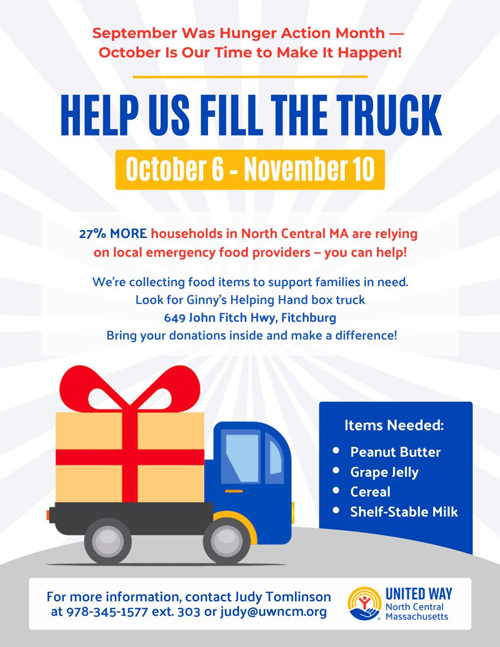 Join United Way of North Central MA this Thursday, October 16, to support our food drive and help fill boxes for local families in need! Across North Central Massachusetts, 27% more households are now relying on local food pantries. Your donations can make a real difference for families facing food insecurity.
Most Needed Items
Thank you for helping us fight hunger in North Central MA!
View Drop off Locations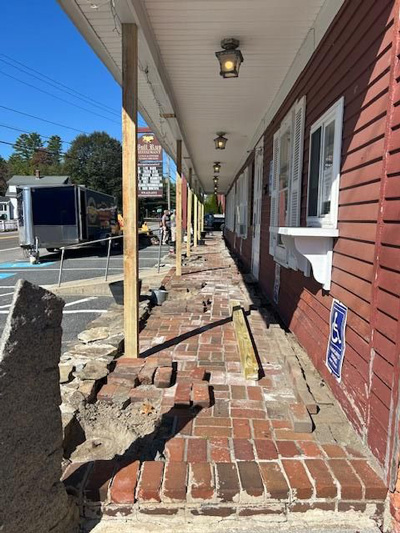 We’re thrilled to announce that The Bull Run has been selected as the Massachusetts recipient of the Backing Historic Small Restaurants Grant, a national program from the National Trust for Historic Preservation in partnership with American Express.
This initiative supports 50 independently owned historic restaurants across all 50 states, Puerto Rico, and the U.S. Virgin Islands. To qualify, restaurants must demonstrate their historic significance (The Bull Run is proudly listed on the Massachusetts State List of Historic Buildings), maintain independent ownership, and show how they serve as an integral part of their community.
As part of our grant proposal, we submitted plans to update our ADA entrance—a project that will improve accessibility while preserving the character of our historic building.
The porch renovation is expected to be completed by early November, with all work finalized by January 2026.
Learn more about the National Trust grant here.
Join Rollstone Investment Services for an Educational & Informative Workshop.
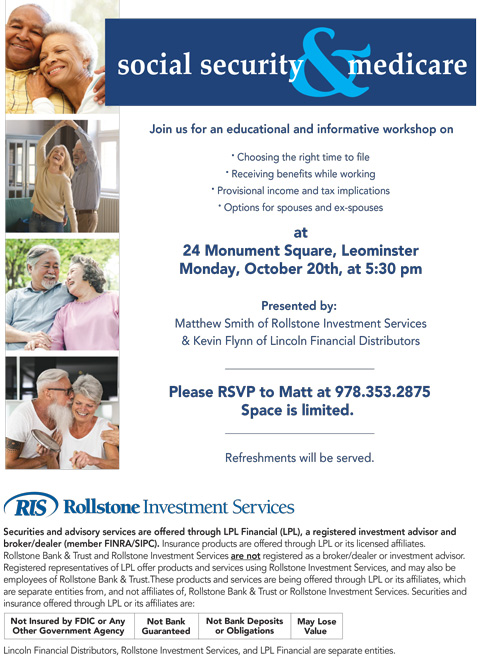 We’ll cover topics such as:
When: Monday, October 20, 5:30pm
Where: 24 Monument Square, Leominster, MA
Presented by:
Matthew Smith of Rollstone Investment Services
& Kevin Flynn of Lincoln Financial Distributors
Please RSVP to Matt at 978.353.2875. Space is limited.
Refreshments will be served.
When the workday ends and the lights go down, Custom Cleaning Service of Peabody, Inc. gets to work. “We operate as our clients’ silent partner after business hours,” says Adam Paicos, of Templeton, who now serves as Director of Operations and oversees the company’s expansion into North Central MA. “We are not often seen, but we ensure facilities are clean, secure, and ready for business each day while serving as the eyes and ears for our clients when they are not on site.”

Discover local business stories through our Inside North Central Massachusetts Podcast series. Listen as Chamber members share their journeys, insights, and contributions to our thriving regional business community.

Looking for your next opportunity? Explore current job openings from employers across North Central Massachusetts on our Jobs Board. Whether you’re starting a new career or making a change, you’ll find a variety of local positions available to help you take the next step.
CapEx Facility Services & Construction · Leominster, MA
TaraVista Behavioral Health Center · Harvard, MA
DRS Power Technology, Inc. · Fitchburg, MA
AIS · Leominster, MA