E-Newsletter
An Electronic Publication of the North Central Massachusetts Chamber of Commerce

Inside this edition, you’ll discover the latest Chamber initiatives and success stories from across our region. From economic development projects and upcoming networking events to policy updates and workforce training opportunities, we’re keeping you connected to what matters most for your business and North Central Massachusetts.
The North Central Massachusetts Chamber of Commerce is here to help – with trusted resources, a strong business network, and a support system to keep your business and the region moving forward
Sorry, no posts matched your criteria
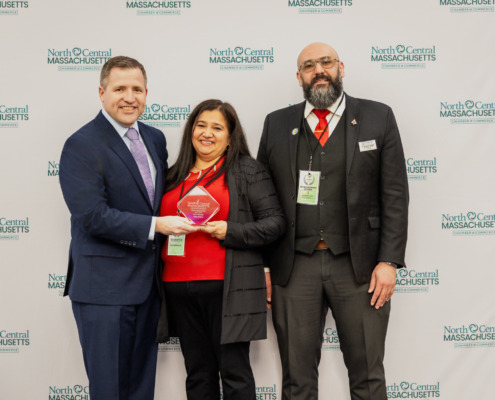

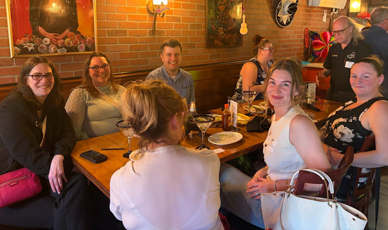
Chamber members are provided with the opportunity to engage with the Mayors of Fitchburg, Gardner, and Leominster who provide updates on projects and other things happening in their Cities. These events are by invitation only, please contact Travis Condon for more details.
View
Event
Bull Run Restaurant215 Great Rd. Shirly, MA
View
Event
Join us for our last Connect North Central of the year!
Friday, December 11, 2026
8am-9am
View
Event
January 14, 20277:15am - 9:00am
View
Event
Erin Logan | NBC 10 Reporter
View
Event
Chamber members are provided with the opportunity to engage with the Mayors of Fitchburg, Gardner, and Leominster who provide updates on projects and other things happening in their Cities. These events are by invitation only, please contact Travis Condon for more details.
View
Event
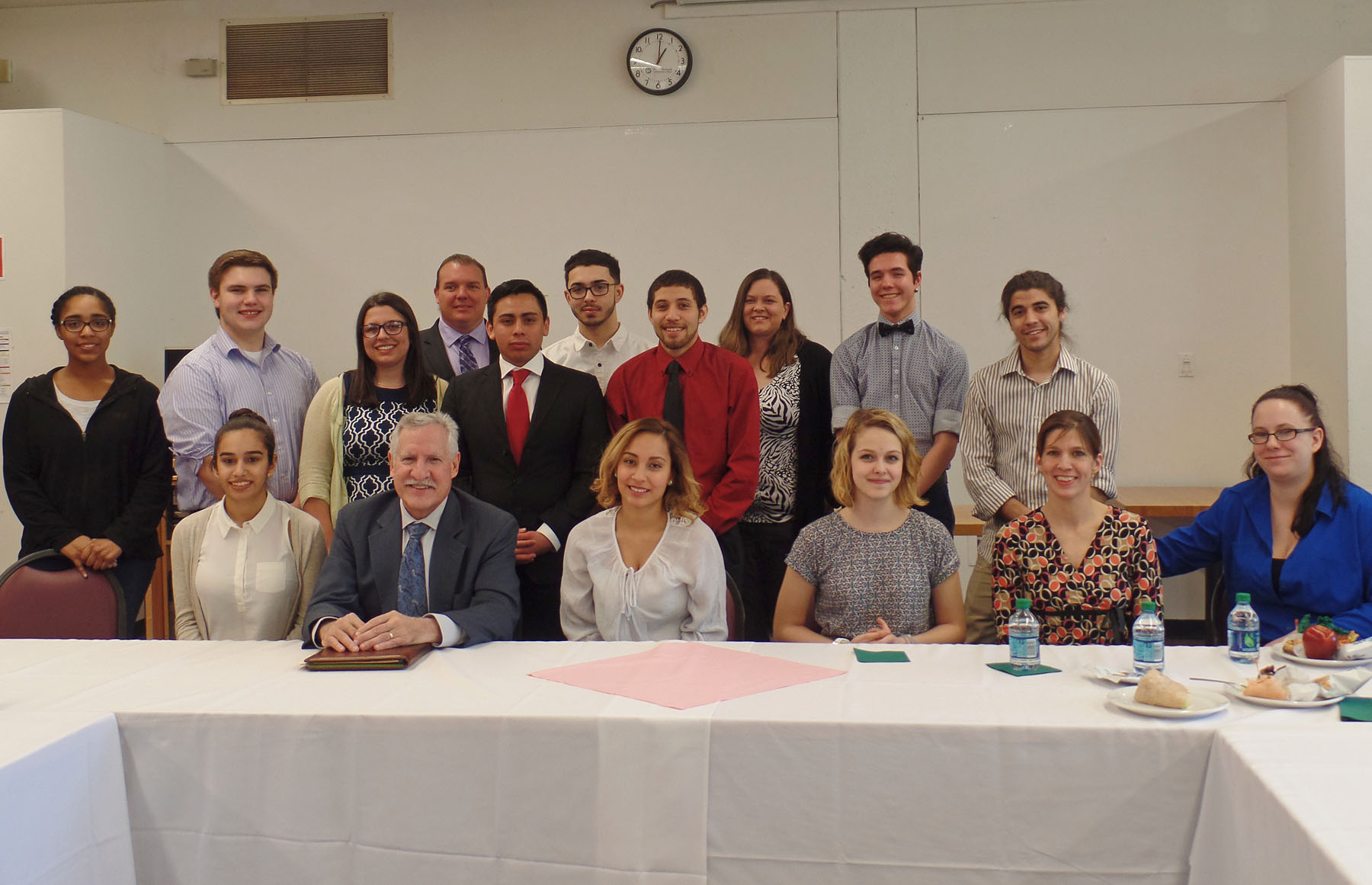
Mount Wachusett Community College is marking the 10th anniversary of two distinct dual enrollment programs for teenagers and young adults.
The Pathways Early College Innovation School and the Gateway to College program, run in partnership with the Ralph C. Mahar Regional School District, allow students to complete requirements for their high school diploma while also earning credits toward a college degree. School choice funding covers the cost of tuition and fees of both programs.
Information sessions for each program will take place this spring and summer for fall 2016 enrollment.
“The partnership is so impactful for students whether they are in the Pathways program or Gateway program.” said Mahar Superintendent Tari Thomas, who recently joined MWCC President Daniel M. Asquino in signing the memorandum of understanding between the two schools for the upcoming academic year.
“Many are first generation college students. For them to be so embraced by this community college, to work with them to grow and achieve, I’m so grateful. And it’s not just for Mahar kids, but for kids all over the state. The way these academic programs meet individuals’ needs is profound.”
One of the first two innovation schools created in Massachusetts, the Pathways Early College Innovation School provides motivated high school juniors and home schooled students the opportunity to accelerate the pace of their academic careers by simultaneously earning an associate degree and their high school diploma.
To be eligible for Pathways, students must live in Massachusetts, possess a minimum high school grade point average of 3.0, be at least 16 years old and entering grade 11 by the start of the fall semester, and be recommended by the sending school.
Students must attend a Pathways information session and have current Accuplacer scores in order to apply. Upcoming information sessions for the Pathways school will take place on May 10 and 12; June 14 and 16; and July 12 and 14. The first day of each session provides the information about the school, and the second day of each session includes the Accuplacer test.
MWCC’s Gateway to College program, established in 2005 as the first Gateway site in New England, provides a second chance for students ages 16 to 21 who have dropped out of high school or are at risk of dropping out. Students simultaneously earn their high school diploma as well as college credits toward an academic degree or certificate. The majority of the graduates continue their education at MWCC or at another college or university.
Gateway applicants must attend a two-day information session to be considered for the program. Upcoming Gateway information sessions will take place on May 11 and 13; June 15 and 17; July 20 and 22; Aug 3 and 5; and August 10 and 12.
To register for an upcoming information session in either program, contact MWCC’s Division of Access & Transition at 978-630-9248. Visit mwcc.edu/access for more details about the programs.
Continuing his mission to spend a full day at each of the state’s public colleges and universities, Commissioner of Higher Education Carlos Santiago took a whirlwind tour of Mount Wachusett Community College on Thursday, April 14.
The day began at MWCC’s satellite campus in Devens – which rekindled fond memories for the commissioner, who spent several years there as a child when his father was stationed at Fort Devens – and ended at MWCC’s main campus in Gardner with a meeting with the Board of Trustees.
In between, he met with students, faculty, staff, administrators, K-12 partners and business and community leaders, exchanging thoughts and ideas on a wide range of topics including an enhanced K-16 approach toward education, college accessibility, transfer pathways to four-year schools, industry partnerships, MWCC’s new science and technology building under construction and student support services. By late afternoon, he had this to say to college leaders:
“You’re innovative. You are getting it right here,” he told the trustees. “Now we’ve got to learn from your success and scale it up. I need this campus to spread the word about the work you are doing here.”
Under the leadership of President Daniel Asquino, MWCC’s ground-breaking work in dual enrollment, civic engagement, unique K-12 and industry partnerships and wrap-around services have grown into model programs, Dr. Santiago said.
College affordability is on the minds of all students,’ he said, but not just in terms of tuition and fees, but transportation, housing and daycare.
“The campus is well positioned on a number of fronts, he said. “The support services that are provided to students on this campus are superb. The students feel well-served by everyone.”
Earlier in the day, the commissioner met with Mahar Regional School Superintendent Tari Thomas and Mahar administrators for a discussion on the continued success of the Gateway to College program for at-risk students, now in its 10th year, and the Pathways Early College Innovation School, now in its sixth year.
He also met with Fitchburg Schools Superintendent Andre Ravenelle, Fitchburg High School Principal Jeremy Roche, members of MWCC’s Access & Transition team and math faculty for a detailed discussion on college-readiness programs, including MWCC’s Math Modeling program, now offered in several area high schools to help reduce students’ need for math remediation in college.
At lunchtime, the commissioner dined on sandwiches, fruit and potato chips with a group of students that included teenagers in dual enrollment programs, career changers, student leaders and parents juggling family responsibilities, work and academic studies. He listened intently as they shared stories about unique challenges, as well as their career aspirations, and how the college is helping them reach their goals.
“No matter who you are or where you’re coming from, you really find your place here,” said student leader Stevie LaBelle.
During his session with business leaders, the commissioner discussed the significant role community colleges, like Mount Wachusett, play in the state’s economic and civic landscape. Two-thirds of all college students in Massachusetts attend the state’s public institutions, and 90 percent remain in the state after graduating.
“The future of the Commonwealth really is going to rest on campuses like this.”
Overview:
This intensive six month program is designed for Emerging Executives who want to create mastery in their leadership practice by learning to adaptively lead change and create sustainable results.
The program’s curriculum, as described on the attached pages, is experiential by design. Each participant is asked to apply the program teachings, in-between sessions, within the context of an organizational project that is requiring a shift in mind-sets and challenges the status quo. Participants will receive both group and individual coaching from one of the experienced Program Leaders throughout the six month program.
Learning goals include:
• Mobilizing others by connecting to individual and organizational purpose;
• Improving one’s own relationship with conflict and ambiguity when leading change;
• Creating a conversational environment for future based language to transform how situations occur;
• Maintaining perspective and eliciting other’s discretionary energy through the turbulence of change.
Program Leaders:
The program is co-facilitated by two master’s prepared Program Leaders with a combined 40 years of experience in advising senior executives, leading corporate teams, teaching at Harvard University and Oxford University, and having earned certifications in Leadership Coaching and Human System Dynamics. Attached are their full bios.
Schedule:
• Full-day sessions June 17, August 19, and October 14 at The International Golf Club, in Bolton, MA
• Scheduled group calls in July, September and November
• Individual coaching calls with a Certified Leadership Coach throughout the program
Audience:
• This program is specifically targeted for high performing, emerging executives at the senior manager and/or director levels, as well as individuals new to executive leadership roles and leading change. We intend to bring the best and brightest executive leaders together for a powerful and practical learning experience.
Benefits:
• Expand your leadership competence, experience the difference you can make in leading organizational change
• Gain a new level of mastery and achieve measurable progress toward a change management project
• Accelerate the change you want to see through the encouragement of your program coach and peers
• Join a community of executive leaders committed to deepening their capacity to adaptively leading change
• This activity has been approved for 21 (HR (General)) recertification credit hours toward California, GPHR, PHRi, SPHRi, PHR and SPHR recertification through the HR Certification Institute.
Investment:
• The six month program investment is $5500 per participant. This investment covers program materials, meals during the all-day sessions at The International Golf Club, and personalized coaching with a Certified Leadership Coach for the length of the program.
For more information or to register contact Tim Chase at
Emerging Executive Program
Leading Change: Inspiring Action and Getting Results
“Redefine what is possible for you and your organization.”
Day 1 – Mobilizing People and Getting Results
8:00 – 8:30am Continental Breakfast
8:30- 9:30 Welcome and Overview:
Framing conversation laying out the overall initiative, how the group will learn together and the purpose for practicing leadership.
9:30 – 11:00 Generating a Persuasive Case for Action – The “Persuasive Case for Action” answers the question that is always in the background: “why should we do anything new now?” This question is sometimes posed as “why invest organizational time, money and other resources to take action now?” The Persuasive Case for Action emerges to answer the questions “If no action is taken where will we end up?”, and “If we don’t act now what risks will be exposed and what opportunities will be missed?”
11:00 – 11:15 Break
11:15 – 12:15 Choices Leaders Face in the Roles They Choose
The first key Change Leadership distinction identifies the difference between being and not being in charge. As a leader, your role has great impact on how you can operate, with whom and on what. Through small group work, participants refine their language around exercising leadership and building formal and informal authority and when each is best employed.
12:15 – 1:00 Lunch
1:00 – 3:00 Identifying the Work to be Done
Framework Introduction – the second key Change Leadership distinction identifies the difference between Technical problems and Adaptive challenges, how to recognize leadership challenges and how to generate “productive disequilibrium” to create progress.
3:00 – 3:15 Break
3:15 – 4:00 Diagnosing Leadership Challenges
Introduction and whole group practice of peer consulting methodology.
4:00 – 4:15 Assignment and Work In-Between Sessions
Describe in-between session expectations and coaching sessions.
4:15 Adjourn for the Day
The use of this seal is not an endorsement by the HR Certification Institute of the quality of the activity. It means that this activity has met the HR Certification Institute’s criteria to be pre-approved for recertification credit.
Day 2- Leading People into the Future
8:00 – 8:30am Continental Breakfast
8:30 – 9:00 Debriefing Day 1
9:00 – 10:00 The Conversational Environment to Future-based Language
The Conversational Environment to Future-based Language examines the conversations that need to be ended and what new conversations need to be started. This module identifies the default future if no change is made in the organization. Future-based language shifts the organizational conversation and transforms how situations occur to others.
10:00 – 10:15 Break
10:15 – 11:15 Thinking and Acting Politically
What does it take to operate inside a web of human relationships and dynamics? This session identifies six key relationships that can drastically Increase your chances of success if managed successfully as a leader.
11:15 – 12:15 Leadership Conversations
To move forward, off status quo, requires skillful conversation to surface and resolve competing commitments while preserving relationships. This module is an introduction to this important skill set and helps each participant understand their own relationship with conflict and ambiguity.
12:15 – 1:00 Lunch
1:00 – 2:15 Understanding How we “Get in Our Own Way’
An experiential activity completed in pairs and in the large group. This activity identifies the barriers to performance and potential ways as leaders to move selves and others forward.
2:15 – 3:15 Engaging Key Stakeholders
The module provides participants strategies for engaging stakeholders in a conversation about their ambitions and intentions for moving forward.
3:15 – 4:00 Peer Consultation Analyzing Leadership Challenges
Peer Consultation and Facilitator Coaching on Individual Leadership Challenges.
4:00 – 4:15 Assignment and Coaching In-Between Sessions
Describe in-between session expectations and coaching sessions.
4:15 Adjourn for the Day
The use of this seal is not an endorsement by the HR Certification Institute of the quality of the activity. It means that this activity has met the HR Certification Institute’s criteria to be pre-approved for recertification credit.
Day 3 – Creating Habits for Sustainability
8:00 – 8:30am Continental Breakfast
8:30 – 9:00 Debriefing Day 2
9:00 – 9:45 Peer Consultation Analyzing Leadership Challenges
Peer Consultation and Facilitator Coaching on Individual Leadership Challenges.
9:45– 10:45 Seeing the System
The Emerging Executive Program adds three critical key components to traditional stakeholder analysis to illuminate the system’s factions and creates strategies for mobilizing people across traditional loyalties. The tools and concepts are applied to the individual leadership challenges.
10:45 – 11:00 Break
11:00 – 12:15 Connecting to Purpose
The only reason to do anything different, hard or important is for purpose/deeply held values. A critical resource to leaders is the connection and presence of purpose in individual and organizational life. Experiential and group exercise
12:15 – 1:00 Lunch
1:00 – 2:15 Building Stability
Leading change requires increasing organizational agility and holding people enough to compete for their discretionary energy but pressure them enough to take on the innovation and adaptation.
2:15 – 2:30 Break
2:30 – 3:30 The Road Ahead – “Testing to Change” for Our Organizations and Ourselves
During the ensuing days and months following the program, the leaders will try out the skills and practices learned. These experiments are designed to provide low risk, real world opportunities to apply the framework in the service of those things for which they care the most. This is an opportunity to plan and share ideas on how to engage others.
3:30 – 4:15 Building a Network of Resources – The Super Hero Moment
As the workshop comes to a close the real work begins. The biggest mistake leaders can make is to overlook the resources available to them from their colleagues. This group experience generates an incredible array of assistance and support for the work ahead.
4:15 Adjourn for the Day
The use of this seal is not an endorsement by the HR Certification Institute of the quality of the activity. It means that this activity has met the HR Certification Institute’s criteria to be pre-approved for recertification credit.
Jeff Lawrence
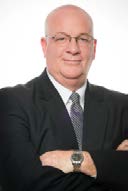
Jeff has served as an advisor to senior executives across multiple sectors for over 25 years. In addition to his experience in the corporate and non-profit sectors, Jeff has taught leadership at Harvard University, Oxford University, the University of Warwick, and Northeastern University.
Jeff’s experience in the fields of personal, organizational, and business development help him bring a broad range of capabilities to his advisory work. He is considered a unique talent for his ability to help clients generate new insights and options in the face of even the most vexing situations. His most recent work has focused on helping senior teams in the technology, finance, healthcare, and government sectors increase their ability to adapt, respond and thrive in turbulent times.
Prior to founding Organizational Agility Advisors, LLC, Jeff helped create and develop Cambridge Leadership Associates, a firm based on the Adaptive Leadership work of Ron Heifetz and Marty Linsky of Harvard University. Prior to his role at CLA, Jeff spent nearly 20 years in financial services, both in a corporate setting as well as starting and building two companies designed to help entrepreneurs build productive and agile businesses. A former Peace Corps Volunteer and Training Director in Southern Africa, he holds a B.A. in English and a M.A. in Counseling from Colgate University.
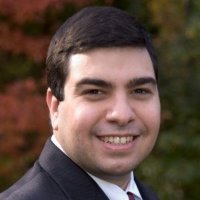
Timothy Chase is a Certified Associate in the field of Human System Dynamics (HSD). HSD is an emerging leadership field focused on adaptive action by starting at the intersection of chaos, complexity and social sciences helping to make sense of the patterns that emerge when people work together.
Tim’s extensive Human Resource and Organizational Development background, of over 15 years, includes roles as Director of Talent and Organizational Development, Senior Organizational Development Consultant, and Manager of Employee Relations. Currently Tim is the Founder/Principal Consultant of Davis Tree Consu
lting where he collaborates with Executive Leadership to understand and influence complex patterns within their organizations, leading to the development of positive and coherent options for action and the implementation of formal leadership development programs.
As a Certified Leadership Coach through Linkage Inc., Tim’s coaching clients include CEOs, Senior Executives, Directors, and Physicians. In addition, Tim is accredited with the Hay Group in the use of the Emotional and Social Competency Inventory (360 Feedback).
Tim received a Master’s Degree in Instructional Design from the University of Massachusetts in Boston and a Bachelor of Science Degree in Business Administration from Fitchburg State University.
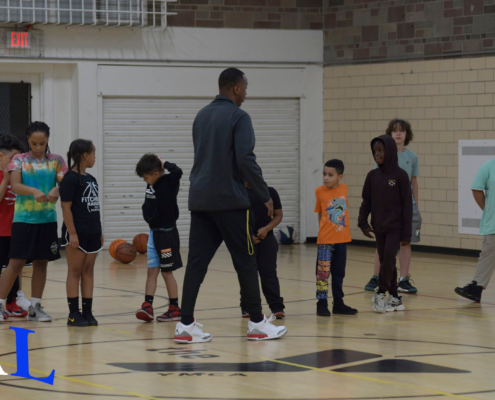
When the workday ends and the lights go down, Custom Cleaning Service of Peabody, Inc. gets to work. “We operate as our clients’ silent partner after business hours,” says Adam Paicos, of Templeton, who now serves as Director of Operations and oversees the company’s expansion into North Central MA. “We are not often seen, but we ensure facilities are clean, secure, and ready for business each day while serving as the eyes and ears for our clients when they are not on site.”

Discover local business stories through our Inside North Central Massachusetts Podcast series. Listen as Chamber members share their journeys, insights, and contributions to our thriving regional business community.

Looking for your next opportunity? Explore current job openings from employers across North Central Massachusetts on our Jobs Board. Whether you’re starting a new career or making a change, you’ll find a variety of local positions available to help you take the next step.
CapEx Facility Services & Construction · Leominster, MA
TaraVista Behavioral Health Center · Harvard, MA
DRS Power Technology, Inc. · Fitchburg, MA
AIS · Leominster, MA