E-Newsletter
An Electronic Publication of the North Central Massachusetts Chamber of Commerce

Inside this edition, you’ll discover the latest Chamber initiatives and success stories from across our region. From economic development projects and upcoming networking events to policy updates and workforce training opportunities, we’re keeping you connected to what matters most for your business and North Central Massachusetts.
The North Central Massachusetts Chamber of Commerce is here to help – with trusted resources, a strong business network, and a support system to keep your business and the region moving forward
Storytelling is a major buzzword in the marketing industry these days, and it is an aspect of promoting your business that you cannot afford to ignore. Rather than focusing your marketing efforts on promoting your products or services, the new business model requires telling the story of your brand to help your customers feel connected to and engaged with your business. Follow these tips to do it right.
Stay True to Your Core
When coming up with your “brand story,” it is important to stay true to the foundation of your business. For example, if your company manufactures reusable water bottles, you wouldn’t want your brand to be associated with anything that is disposable in nature. Instead, you would want to tell a story that coincides with sustainable values. Viewers these days are becoming more and more discerning in terms of the brands they choose to patronize, and they will immediately identify anything disingenuous.
Tug at the Heartstrings
Emotions are incredibly powerful when it comes to influencing consumer behavior, and your brand can use this fact to its advantage. People love seeing stories of triumph over adversity, personal growth and achievement, and giving back to the community, so try to incorporate these or similar storylines into your brand storytelling. Of course, any content you produce should still align with your company goals at the same time as telling your story.
Generate Excitement
The primary goal of brand storytelling is to get prospective customers excited about your brand. Whether you do this through associating with popular local events or by offering frequent promotions and discounts, the goal is to keep your customer base interested in your offerings and excited about buying from your company rather than your competitors. Aim for a high energy level in your marketing materials and branded content online so that your customers are excited to share your content with their friends and followers, helping to expand your reach even further.
Tie in Your Company’s Offerings
At the end of the day, the ultimate purpose of brand storytelling is to attract new customers, and you can’t accomplish this without letting people know what your company has to offer. With any content you create, whether it be blog posts, social media posts, advertisements or videos, there should almost always be an element that speaks specifically to your company’s products or services. Without this critical aspect, your audience won’t know why your brand is sharing its story. You need to help them make the connection between the story and your offerings.
Overall, brand storytelling is about more than just selling products; it is about helping your customers to feel more connected to your business, increasing the likelihood that they will continue to buy your products or services in the future. Keep this end goal in mind at all times to help guide you in creating your brand story. With a bit of creativity and effort, you’ll draw in customers and establish dedicated brand loyalty, setting your business up for ongoing success in the future.
These three words are always something kept in mind with the team members at Enterprise Bank. There are approximately 555 employees at the bank, who are purpose-driven, and care for their families and customers, catering to small and large businesses.
“I get excited when I come to work,” said Tracy Lafleur, Branch Relationship Manager and Vice President at Enterprise Bank in Fitchburg, MA. “When a customer calls, we pick up the phone and they’re speaking to an actual person; we feel valued by that as well.”
The bank’s website says, “In the late 1980s, Massachusetts faced a severe economic downturn. As George Duncan watched his city struggle, he joined other visionaries to help influence the recovery. Together, they imagined a new kind of independent, innovative bank – one that would value the entrepreneurial spirit and stimulate the economy by helping to create new businesses, meaningful jobs, vibrant communities, and a dynamic work environment for employees. This vision became Enterprise Bank.”
Enterprise Bank was started about 32 years ago in Lowell, MA in 1989 and mushroomed out from there, currently with 25 branches in operation. In 1995, the Leominster branch was the fourth branch to open, and Fitchburg branch was opened 16 years ago.
“We continue to stay rooted in values, caring, and trust and relationship, all rooted in the culture that has made us successful. We continue to grow through technology and evolve to meet customers’ needs,” said Jack Clancy, CEO of Enterprise Bank.
While preparing for the “new normal,” Enterprise Bank has helped local businesses and customers through the COVID-19 pandemic through over 2,800 PPP loans, which accounts for approximately $510 million in PPP loans.
“We reached out proactively and became one of the top PPP lenders in the country,” said Clancy, “which goes back to our dedicated team members having so much passion and caring. It’s been a monumental effort on their part since April.”
Internally, Clancy and Lafleur both prioritized not only providing PPP loans, but also protecting the safety of their team members and customers.
“We had a pandemic preparedness plan in place long before COVID,” said Clancy. “At first, we thought we were wasting our time with it, but it really helped us. People are starving for human relationships, and we devote every resource possible to make sure we have the right protocol and precautions, but also increasing digital usage and making sure that we are progressive.”
On the branch side, Lafleur said that the team members are constantly receiving updates and being informed on everything going on if there are any changes.
“[Enterprise Bank] helped a lot of small and big businesses, and we are able to get them through keeping their businesses,” said Lafleur. “We have people thanking us up and down, because our team members took extra calls and were working hard. Just the feeling of helping customers save their businesses is amazing.”
In fact, Lafleur has been a chamber ambassador for about two years, and loves being able to go out to visit chamber members.
“The [North Central Massachusetts Chamber of Commerce] cares and is very easy and outgoing,” she said. “The networking is great and you meet at a lot people, just like here at Enterprise Bank.”
The Enterprise Bank Fitchburg branch is located at 420 John Fitch Highway, and has a family atmosphere where everyone is welcomed and treated like family. Find out more information about the entrepreneurial bank at www.enterprisebanking.com.
(Regional) – The North Central Massachusetts Development Corporation (NCMDC) – the economic development arm of the North Central Massachusetts Chamber of Commerce – recently approved a $50,000 loan to the Sterling Academy of Gymnastics.
The Sterling Academy of Gymnastics, owned by John and Nancy Carbone, received a $50,000 microloan for working capital for pandemic related relief and recovery as well as to help start a remote education program. The pandemic has created a number of challenges for the business, requiring John and Nancy to explore new and creative programs. With increased demand for child care services, Sterling Gym introduced a remote learning program where children can attend their remote classes and also take advantage of the gym amenities. Sterling Gym also offers a number of other programs and classes such as gymnastics, dance, ninja challenge and martial arts. For more information visit their website at sterlinggym.com or facebook at facebook.com/sterlinggym/.
As a microloan lender, the North Central Massachusetts Development Corporation (NCMDC) can provide loans to small businesses up to $150,000 for working capital, equipment, inventory, expansion and working with our banking partners to provide gap financing for the final piece of a project.
About the North Central Massachusetts Development Corporation
The North Central Massachusetts Development Corporation (NCMDC) is a non-profit economic development corporation with the mission of creating jobs and improving the economy. NCMDC is certified by the U.S. Small Business Administration (SBA), and the U.S. Department of the Treasury under the Community Development Financial Institutions (CDFI) Program. The NCMDC works in partnership with local banks, credit unions, chambers of commerce and area nonprofits to support emerging microenterprises, small businesses, and community projects in 76 communities in Worcester, Middlesex and Franklin Counties with loans and business assistance. Since 1996, the NCMDC has granted over $8,000,000 in loans to small businesses to help grow jobs and the economy in the region.
For more information about the NCMDC loan programs, please call 978.353.7607 or visit ChooseNorthCentral.com.
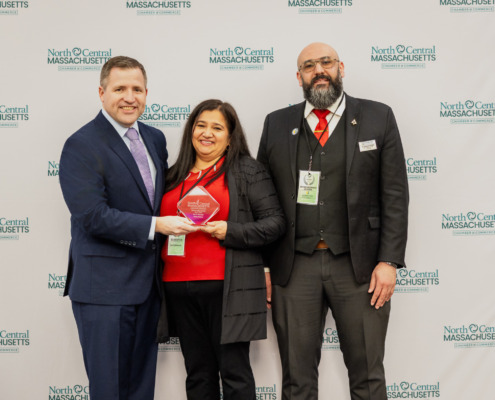

The reception features an open bar and gourmet appetizers.
View
Event
Join us for Connect North Central
Friday, September 25, 2026
8am-9am
View
Event
North Central Golf Tour Championship: Fore the Future
An FLNC Non-Traditional Scholarship Fundraiser
View
Event
Thank you Series Supporting Sponsor empHowered PR
View
Event
Join us for our 11th Annual
Congressional Luncheon
View
Event
Wednesday October 28, 2026
5:00pm - 7:00pm
View
Event
Join us for this in person HR Legal Update
View
Event
November 19, 2026
7:15am - 9:00am
View
Event
Chamber members are provided with the opportunity to engage with the Mayors of Fitchburg, Gardner, and Leominster who provide updates on projects and other things happening in their Cities. These events are by invitation only, please contact Travis Condon for more details.
View
Event
Bull Run Restaurant
215 Great Rd. Shirly, MA
View
Event
Join us for our last Connect North Central of the year!
Friday, December 11, 2026
8am-9am
View
Event
Chamber members are provided with the opportunity to engage with the Mayors of Fitchburg, Gardner, and Leominster who provide updates on projects and other things happening in their Cities. These events are by invitation only, please contact Travis Condon for more details.
View
Event
Fake and poorly trained “service dogs” – you’ve probably seen them in airports and grocery stores, on public transportation, in restaurants and hotels – can interfere with the life-saving work that legitimate Service Dogs perform for their human partners.
NEADS is committed to doing everything it can to help our working Service Dog teams navigate the world without worry. That means educating the public about what it takes to create a legitimate Service Dog and advocating to stop this epidemic of Service Dog fraud.
Here in Massachusetts, we’re doing our part through our support of H3657, An Act relative to the misrepresentation of a service animal, filed by Representative Kimberly Ferguson. We are currently requesting signatures for a petition in support of this bill.
We believe H3657 is important because it will discourage pet owners from identifying their dogs as service dogs in order to obtain special status by presenting the dog as a Service Dog or Service Dog in Training, thus allowing them to obtain the rights and privileges afforded disabled persons accompanied by Service Dogs, but unavailable to people and their pets. Plus, businesses will be better prepared to protect the public and legitimate Service Dog teams from aggressive, untrained, poorly trained and/or unsound pet dogs. Removing untrained dogs from public venues will help restore the credibility and safety of highly trained Service Dogs and their disabled partners.
If you have questions about the issue and/or the House Bill, please contact us for an interview or additional information.
Wachusett, Wormtown, and Greater Good Get Together to Raise Money for Menard Children’s Fun
Three of Central Massachusetts most well-known brewers are coming together for a very worthy cause. In response to yet another tragic death of a Worcester Firefighter, the three breweries are brewing and launching the beer “Worcester’s Bravest” with 100% of the proceeds being donated to the Menard Children’s Fund. The fund that has been set up by the Professional Fire Fighters of Massachusetts and Worcester International Association of Firefighters Local 1009 in support of the family of fallen Worcester Firefighter Lt. Jason Menard.
“We were beyond devasted to hear about the loss of Lt. Jason Menard” said David Fields, Managing Partner of Wormtown Brewery. “While it pales in comparison to the sacrifice our local heroes make every day, Worcester’s Bravest is a way we can give back to them and their families. We are honored to be a part of a strong community that will forever cherish his legacy. ”
“We said the last time we made this beer together that hopefully we would never have to do it again” said Christian McMahan, President of Wachusett Brewing Company. “However, when we have the ability to make a difference and support something so meaningful, we will do it each and every time.”
“We’re a tightly bound community” added Paul Wengender, Founder & President of Greater Good. “The strength of our community was tested, yet again. If one of our own goes down we will always rally together in vigorous support”
The beer style for Worcester’s Bravest is a Belgian Wit, a light-bodied, unfiltered, wheat beer. “It has sweet and zesty citrus notes with some complex pepper spice and herbal hops” said Ben Roesch, Brewmaster of Wormtown Brewery”.
“Worcester’s Bravest” will be released on draft in January at each brewery’s tap rooms as well as having a limited amount of cans being made available for sale. Beer launch and fundraising events will take place at each brewery. Wormtown will host their event on Friday January 24th, Wachusett on Saturday, January 25th, and Greater Good on Friday January 31st.
Donations can also be made directly to the Menard Children’s Fund and mailed to the Worcester Fire Department Credit Union, 34 Glennie St, Worcester, MA 01605
For more information about Wachusett Brewing Company, visit www.wachusettbrew.com
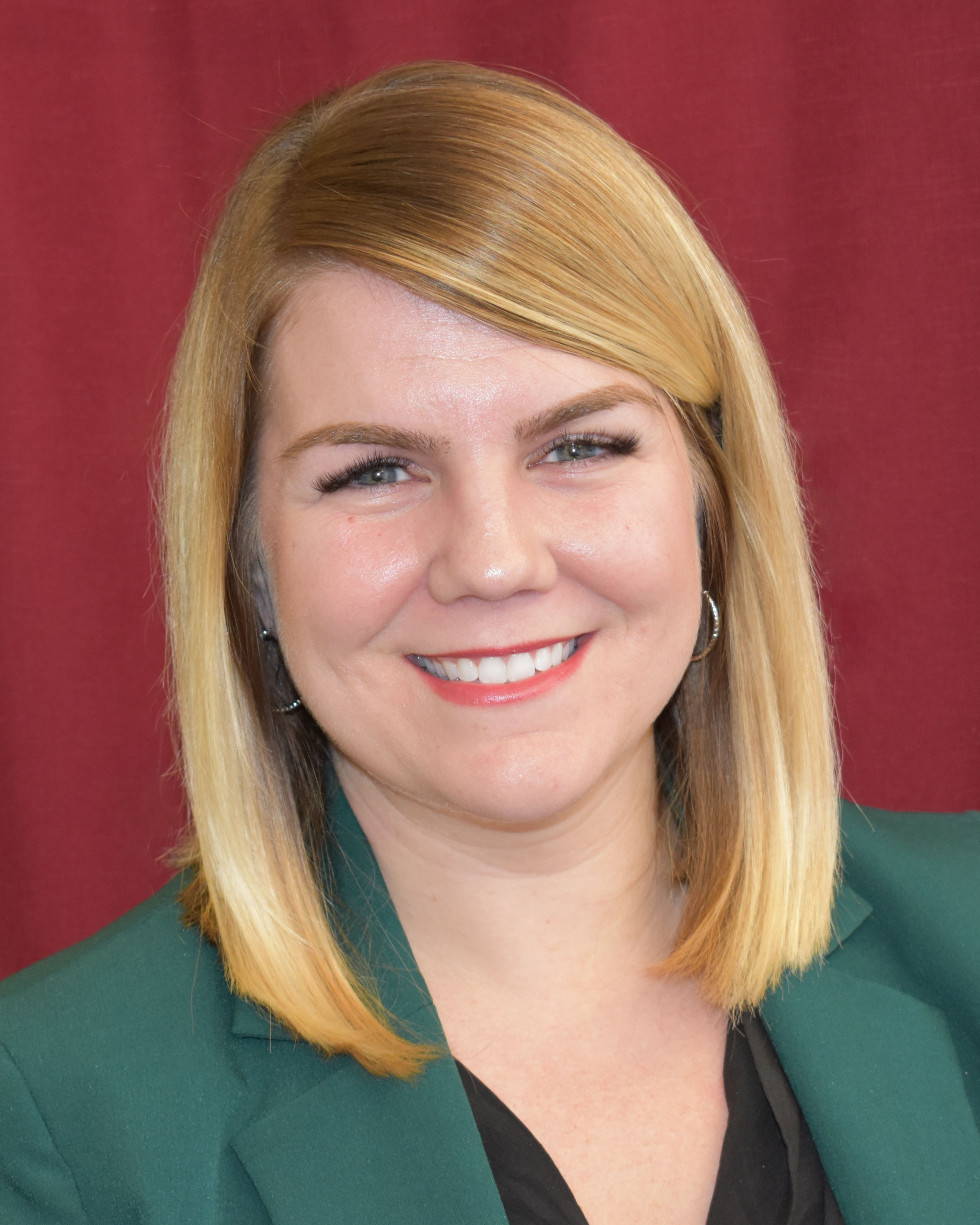
“Kelli is a great fit for this role,” said LCU President John O’Brien. “She has done a great job leading our marketing efforts and is very involved in the communities we serve. She is well known and respected and is always an advocate for our members and communities. Partnering our marketing and community involvement efforts will be a win-win for LCU and our member communities.”
Rooney serves as a board member for the Leominster Education Foundation, the Monty Tech Foundation, and the Beacon of Hope Community Services, an organization that is dedicated to enhancing the quality of life of individuals with developmental disabilities. She also serves on the Young Professionals of North Central Massachusetts Committee and the Cooperative Credit Union Association’s Social Responsibility Committee. She is a North Central Massachusetts Chamber of Commerce Ambassador and a member of the Montachusett Area Rotary Club. Rooney holds a Bachelor’s Degree in Communication from Framingham State University and a Master of Science Degree in Applied Communication Studies from Fitchburg State University. Rooney resides in Leominster with her husband Chuck and their daughter Raegan.
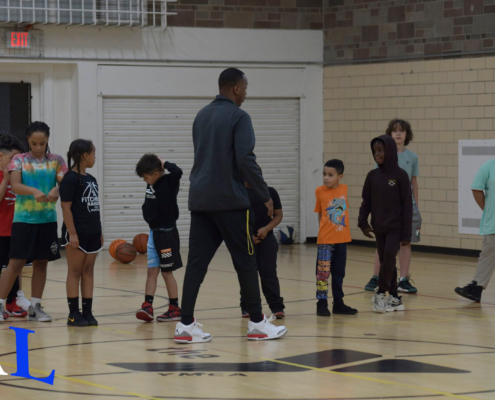
When the workday ends and the lights go down, Custom Cleaning Service of Peabody, Inc. gets to work. “We operate as our clients’ silent partner after business hours,” says Adam Paicos, of Templeton, who now serves as Director of Operations and oversees the company’s expansion into North Central MA. “We are not often seen, but we ensure facilities are clean, secure, and ready for business each day while serving as the eyes and ears for our clients when they are not on site.”

Discover local business stories through our Inside North Central Massachusetts Podcast series. Listen as Chamber members share their journeys, insights, and contributions to our thriving regional business community.

Looking for your next opportunity? Explore current job openings from employers across North Central Massachusetts on our Jobs Board. Whether you’re starting a new career or making a change, you’ll find a variety of local positions available to help you take the next step.
CapEx Facility Services & Construction · Leominster, MA
TaraVista Behavioral Health Center · Harvard, MA
DRS Power Technology, Inc. · Fitchburg, MA
AIS · Leominster, MA