E-Newsletter
An Electronic Publication of the North Central Massachusetts Chamber of Commerce

Inside this edition, you’ll discover the latest Chamber initiatives and success stories from across our region. From economic development projects and upcoming networking events to policy updates and workforce training opportunities, we’re keeping you connected to what matters most for your business and North Central Massachusetts.
The North Central Massachusetts Chamber of Commerce is here to help – with trusted resources, a strong business network, and a support system to keep your business and the region moving forward
(Regional) — Results from a new business impact survey issued to businesses located in North Central Massachusetts highlight the continued impacts to the local business community due to the COVID-19 pandemic. This survey was conducted by the North Central Massachusetts Chamber of Commerce in partnership with the MassHire North Central Workforce Board, the Montachusett Regional Planning Commission, NewVue Communities and many of the cities and towns in North Central Massachusetts.
This new survey was the third in a series of surveys conducted by the Chamber since the start of the COVID-19 pandemic. The first two surveys, conducted in March and October of 2020, provided critical information on the immediate impacts to businesses and insight on the support most needed by businesses to weather the economic challenges caused by the pandemic. The third survey was intended to collect fresh data and to evaluate the continuing impact of the pandemic to local businesses over time.
This survey was conducted online between April 1, 2021 and April 30, 2021 in both English and Spanish. One hundred and eighty-seven responses were received, representing businesses from all twenty-seven cities and towns located in North Central Massachusetts. Respondents reflected the top industries in the region including healthcare, manufacturing, retail, food and beverages, financial services, education and agriculture among others.

Q11: Approximately what percent change in gross business revenue did your business/organization experience in the first quarter of 2021, compared with the same period in 2020?
Fifty percent of the businesses and organizations reported losses in 2020 when compared to 2019, with nearly 20% reporting losses of 50% or more. This was a modest improvement over the previous survey in October, where nearly 64% reported losses. When asked about the first quarter of 2021, nearly 42% reported losses compared to the same period the previous year. Approximately 43% reported that they expect it will be more than six months before their operations return to a normal level versus 54% in the Fall survey. Nearly 17% of respondents estimated they could stay operational on current cash flow and reserves for six months or less; versus 25% in the previous survey conducted in the Fall. Thirty-eight percent of the businesses responded that they had difficulty getting employees to return to work citing health and safety concerns, current unemployment, child care and adult care as the top reasons. Some businesses noted falling behind on rent and other bills, while the vast majority reported increased costs due to additional sanitation or shifting operations online.
Over 56% of the respondents indicated that they were completely open, while 40% indicated that they were only partially open in a limited way and the remainder were still closed due to the pandemic. This represented a slight change over the Fall where 50% responded that they were completely open and 46% responded that they were open in a limited way. Of those closed, the majority responded that they were planning to reopen (76%) while the others reported that they were unsure if they would be able to reopen. For comparison, during the Fall survey 69% responded that they planned to reopen, 23% responded that they were unsure and 7.69% responded that they were closed for good.

Q22: How has the pandemic changed your business plan for the next year?
Financial programs to mitigate layoffs such as the Payroll Protection Program (PPP) was the top response when asked what businesses were using to
mitigate the impact of the COVID-19 pandemic, followed by reduction in expenses and grants from federal, state and local sources. Hiring, recruiting and retaining employees was the most requested resource when respondents were asked what resources, beyond financial assistance, would be most helpful. Communications, marketing, and social media to reach their customers was the second most requested resource. When asked how has the pandemic has changed their business plan for the next year, over 34% responded that they have no plans to change to their operations followed by “Not sure” as the next top response. Nearly 20% indicated that they plan to hire more employees and nearly 15% plan to expand their business in the next year. While the Fall survey indicated that nearly 76% of respondents indicated that the pandemic had some type of negative effect on their business/organization, the results showed a minor drop to slightly over 63% in the Spring survey.
“Despite the tremendous uncertainty, the survey results show that many businesses in the region continue to adapt to the challenges brought on by the pandemic.” said Roy Nascimento, President & CEO of the North Central Massachusetts Chamber of Commerce. “The surveys we conducted have been very helpful in evaluating the impacts of the pandemic over time, and continue to inform our efforts to help support our businesses and communities.”
“The Covid-19 Economic Impact Survey conducted by the Chamber is a vital instrument that provides our region with information that we can utilize to collectively build a stronger region post pandemic,” said Jeff Roberge, Executive Director of the MassHire North Central Workforce Investment Board. “This information will help shape our workforce development efforts and strategies over the next several months”
“We’re proud to have worked alongside the North Central Massachusetts Chamber in this effort. These results will play a critical role in gauging the pandemic’s impact on local businesses, allowing us to identify challenges as we chart a path towards recovery. We look forward to continuing this partnership as we develop and implement solutions in the months ahead” said Glenn Eaton, Executive Director of The Montachusett Regional Planning Commission. “
“Thank you to the North Central Massachusetts Chamber of Commerce for leading the way on this survey, allowing us to gather important information about small business needs in our region,” said Marc Dohan, Executive Director of New Vue Communities. “In a continually changing environment, it has been critical to get this information over time from a broad range of businesses. The results will help us design effective strategies to support businesses and residents as we all recover from the pandemic.”
Although the survey results included large businesses, the vast majority of respondents would be considered small businesses by federal standards with less than 500 employees and gross revenues less than $10 million per year. More specifically, nearly 75% reported less than 20 full time employees and 58% reporting gross income of less than $1 million. The majority of the businesses that responded were also primarily established, existing businesses in the community with an average of 32 years of operations.
A complete copy of the report can be found on the Chamber’s website at www.NorthCentralMass.com.
PLAN-demic: How to Plan Your Business Comeback
No one has a crystal ball to see when businesses will start to open up again, but smart business owners and marketers are already planning for what lies ahead. If you wait until you get the go-ahead to open up to start to plan your business comeback, you may find all your competitors racing past you at the starting line.
As you make the shift from survival mode to comeback mode, take a look at these tips which we’ve pulled together to help you hit your mark, get set, and go.
No business thrives without a dedicated workforce who bring their skills and passion to the job every day. You have probably already been keeping your whole team up to date on your own company’s situation, and as you prepare for your comeback, you need to confirm your concern for them. Be transparent with all developments and let them know your plans as they come into shape.
All brick-and-mortar businesses are likely to face new requirements when they reopen. While you definitely need to stay up to date on what your state, county, and city ask of you, you also need to make sure your employees are fully informed. Your staff may have to wear masks and gloves for a while, they may have to practice social distancing, and you may have other requirements you insist on for your customers’ health and safety. Put your expectations in writing to make sure everyone’s operating on the same page.
If your business has been closed for a matter of weeks or even months, your balance sheet may not be in the best of health. Before you open up, take a long, measured look at your financials to determine how to approach the new normal. You may need to apply for a business loan to pay bills that have been piling up or to replace inventory. You also need to estimate just how much business you expect to do immediately if, for example, you have to limit the number of customers who enter your establishment and you experience hitches in your cash flow. Working with your banker and your accountant can help you make wise decisions while you have time to consider all your options.
Even when your local governments okay opening up again, you may not want to leap feet first into the fray. Check with your insurance company for guidance, especially if customers or clients enter your workplace. Social distancing guidelines are likely to remain in effect in many locations, so you may want to allow staff to continue to work from home — a situation which requires a great deal of trust between employer and employee. If you can create contingency plans now, you’ll provide yourself with more options once it’s time for your comeback.
We believe in the ability of our community to bounce back from tough times and to adapt to new environments, so we are optimistic about the future for our region. If you’re ready to pivot and adapt as you begin your comeback, you should find your business in a position of leadership again.
Fuente del artículo: State House News Service
Author: Matt Murphy
Vaccinate 70 percent of the adult population with at least one dose by July 4? No sweat. Already done. What’s next?
President Joe Biden set a new vaccination goal for the country this week as Americans seek their independence from the COVID-19 pandemic, but with Massachusetts already there what’s next is a new, more targeted phase in the state’s vaccine campaign.
Gov. Charlie Baker announced that he would begin to phase out mass vaccinations sites, with four of the seven slated to close by the end of the June. As Gillette Stadium, the Danvers DoubleTree Hotel, the Hynes Convention Center and the Natick Mall end their runs as vaccine centers, the administration plans to divert more of its vaccine supply to regional sites, mobile clinics and primary care doctors.
The administration hopes this will help reach some of the people who have been harder to coax into getting a shot, particularly in communities of color.
The state had its own goal when it started putting vaccine in arms in December: to fully vaccinate 4.1 million Bay State residents. It’s on track to reach that milestone by early June, as supply seems to have finally caught up to demand.
“This represents an incredible achievement. The people of Massachusetts are outperforming the rest of the country by leaps and bounds,” Baker told reporters at a State House press conference.
The vaccine program in Massachusetts was once a political soft spot for Baker, but rather quickly it has hardened into something the governor boasts about quite often. That warrants watching as Baker considers whether to seek a third a term and Democrats size up the once untouchable Republican.
Baker raised just $9,429 in April, fueling chatter on social media about his future, and Attorney General Maura Healey is reportedly message testing for a potential run for governor. But whether she takes the plunge or not, the state’s vaccination campaign and where it goes next figures to feature prominently in next year’s gubernatorial contest.
Healey spoke to the New England Council this week where she defended her stance that public employees should be vaccinated in order to return to work, although she specified that she really means state workers who interface with the public regularly. Even with that caveat, she is at odds with Baker, who prefers persuasion over mandates for state employees when it comes to the vaccine.
As an employer getting ready to welcome its workforce back, the state has not had the cash-flow problems that many small businesses have had over the last year – small businesses like Vivian and Juan Acevedo’s Panela Restaurant in Lowell.
Panela was a recipient this year of one of the more than 15,000 relief grants handed out by the Baker administration to help companies weather the pandemic, but just as the federal Paycheck Protection Program ran out of money this week, the administration’s $687 million business relief program also ran dry. Baker was in Lowell to hand out the final $5 million.
The grants may have helped some employers keep their workers on the payroll, but many business still face steep bills for unemployment insurance after layoffs and furloughs depleted that state’s UI fund.
Business owners have been given an extension on their first quarter bills while lawmakers and the administration try to figure out what to do, but the policymakers are not closer to a solution as they wait to hear from the federal government whether they can use some of the billions of dollars from the American Rescue Act to shore up the fund.
Despite a weak national jobs reports that showed hiring slowing with 266,000 jobs added in April, Bay State businesses remain bullish on the recovery. Associated Industries of Massachusetts’s business confidence index dipped ever so slightly in April, but employers are still expecting a solid rebound this summer, and that is evident in place like Cape Cod.
“Everyone has got the help wanted sign out,” said Wendy Northcross, CEO of the Cape Cod Chamber of Commerce. “It’s actually a good time to be a prospective employee, and you’re sort of in the driver’s seat now.”
Sen. Julian Cyr, of Truro, said the problem could now become a shortage of workers, citing the lack of affordable workforce housing as a growing problem, as well as the region’s reliance on foreign workers for the summer months.
With the summer tourism season around the corner, the Department of Revenue announced that it would be returning to its regular schedule for the payment and remittance of sales, meals and lodging taxes to the state on June 30.
Not that the state needs an advance on cash.
The April revenue report from DOR showed that the state is way ahead of where it was last year through 10 months of the fiscal year and well ahead of collecting what lawmakers budgeted. So far, collections have exceeded projections by $1.83 billion for the year, and that’s with a delayed tax filing deadline to May 17.
The $3.86 billion in taxes collected in April exceeded the total from last April by 95 percent, for obvious reasons. Less obvious, is how the Legislature and Baker will attempt to spend what increasingly looks to be a surplus amassing for the end of the fiscal year on top of the billions in federal relief money that must be allocated.
The windfall might not end there, though.
When federal stimulus funding runs out and the economy stabilizes, wealth tax advocates say the state will still need the estimated $2 billion that could come from a proposed surtax on millionaires to invest in education and transportation.
The 4 percent surtax, which would be tacked on to household earnings above $1 million, requires a second affirmative vote of the Legislature to reach the 2022 ballot, and advocates launched a campaign this week to remind lawmakers why they supported the so-called “millionaires’ tax ” in the first place.
Rep. Jim O’Day, the sponsor of the Constitutional amendment, said it’s likely the Legislature will wait on the “Fair Share Amendment” until maybe the fall rather than vote next week when a joint session of the Legislature will convene to consider amendments to the constitution.
But O’Day thinks the proposal will get its vote, in spite of renewed pushback from some business-backed think tanks who are trying to slow it down.
“If you look at what’s going on on Wall Street, you’ll know that Wall Street is doing just as well. Main Street, maybe not quite as well as we need for Main Street to be doing. So, for me, the excuse of the pandemic somehow raising additional concerns, additional issues, with whether or not this particular piece of legislation should not continue to go forward is really a red herring,” O’Day said.
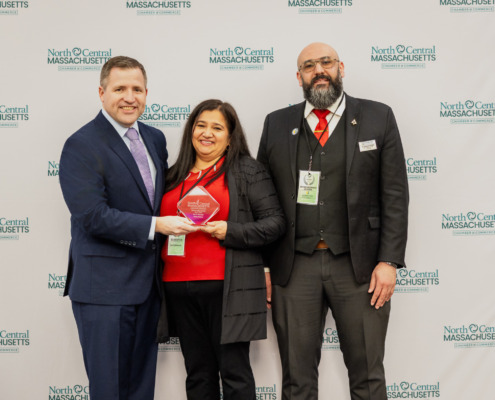

The reception features an open bar and gourmet appetizers.
View
Event
Join us for Connect North Central
Friday, September 25, 2026
8am-9am
View
Event
North Central Golf Tour Championship: Fore the Future
An FLNC Non-Traditional Scholarship Fundraiser
View
Event
Thank you Series Supporting Sponsor empHowered PR
View
Event
Join us for our 11th Annual
Congressional Luncheon
View
Event
Wednesday October 28, 2026
5:00pm - 7:00pm
View
Event
Join us for this in person HR Legal Update
View
Event
November 19, 2026
7:15am - 9:00am
View
Event
Chamber members are provided with the opportunity to engage with the Mayors of Fitchburg, Gardner, and Leominster who provide updates on projects and other things happening in their Cities. These events are by invitation only, please contact Travis Condon for more details.
View
Event
Bull Run Restaurant
215 Great Rd. Shirly, MA
View
Event
Join us for our last Connect North Central of the year!
Friday, December 11, 2026
8am-9am
View
Event
Chamber members are provided with the opportunity to engage with the Mayors of Fitchburg, Gardner, and Leominster who provide updates on projects and other things happening in their Cities. These events are by invitation only, please contact Travis Condon for more details.
View
Event
The City of Fitchburg through the Department of Public Works is planning improvements to the John Fitch Highway (JFH) Corridor to increase climate resilience, mitigate flooding, and increase mobility. This is a unique opportunity to improve our public spaces by incorporating nature-based solutions (like rain gardens and tree planting) and elements of Complete Streets (such as shared use paths and improved crosswalks).
We are seeking input from the community to inform initial designs for the current project within the JFH roadway between Lunenburg Street and Summer Street. Community members are encouraged to share your vision for the JFH Corridor and the innovative ideas for making the area more climate resilient. Comments are being accepted now through March 12, 2021 at https://arcg.is/SqTn80. We want to hear from residents of all ages.
Community members can also get involved by submitting a creative piece to the Envision John Fitch Highway Artwork Challenge. Show us what improvements you want to see in the Corridor to reduce flooding, make it greener, and improve bike and pedestrian access! Artwork submissions can be hand-made or computer-generated (full submission guidelines can be found here). Submit by March 12 to be entered into the Artwork Challenge! A winner will be selected within categories divided by age and medium to receive a prize. For more information please visit: www.FitchburgMA.gov/JFHProject
We will announce the winners of the Artwork Challenge at a virtual event later this spring. Watch the City’s website and social media accounts for updates on future events and engagement activities.
Mitigating flooding of Baker Brook into JFH was a top priority in the City’s 2020 and Municipal Vulnerability Preparedness (MVP) and Hazard Mitigation Plan. The initial design phase is funded by the Massachusetts Executive Office of Energy and Environmental Affairs MVP Action Grant Program.
Spanish versions available for comment and submission forms. For questions regarding this project, contact the Department of Public Works Engineering Department: 978-829-1915 or email .
McDonald’s (North Main Street)
McDonald’s (New Lancaster Road)
Momo’s Bistro & Brick Oven Pizza
NY Pizza
SaMoreRay’s at Dandini Liquors
Join us to celebrate St. Patrick’s Day on Sunday, March 14, 2021, at 2:00 PM – online! Singer, storyteller, harper, and poet Kate Chadbourne is eager to welcome you virtually into her home to share heart-raising songs and tales that get you singing and smiling in this time when everyone, including YOU, is Irish.
Generously funded by the Robert L. Rice Memorial Concert Fund and the Rice Family.
Kate Chadbourne is a singer, harper, and storyteller, an award-winning songwriter and poet, a scholar and teacher of Irish language and folklore with a PhD from Harvard, and a beloved performer at venues throughout New England. She has been honored as a “tradition bearer” in the Revels Salon series and in the Gaelic Roots Concert Series at Boston College, and her music has been featured on NPR’s programs, “Cartalk” and “All Songs Considered.” She has released six solo CD’s, three collections of poetry, and has written two books to encourage and support artists, musicians, and creators. Named as one of “The Most Fascinating People” in Central Massachusetts by the Sentinel and Enterprise Newspaper, Kate is also the founder of The Bardic Academy, a school for writers, musicians, singers, and young scholars. She brings to her audiences the sounds of the harp, piano, tin whistle, Irish flute, and melodeon, a deep love and knowledge of traditional Irish story, a warm and welcoming presence, and a voice often described as “the voice of an angel.”
Learn more about joining the Bardic Academy at www.bardicacademy.com and find out about CD’s, books, and upcoming performances at www.katechadbourne.com.
Please register at https://tinyurl.com/fplchadbourne to be sent the Zoom link.
This is a free program. For information about this or other Library programs call 978-829-1780 or visit our website: www.FitchburgPublicLibrary.org.
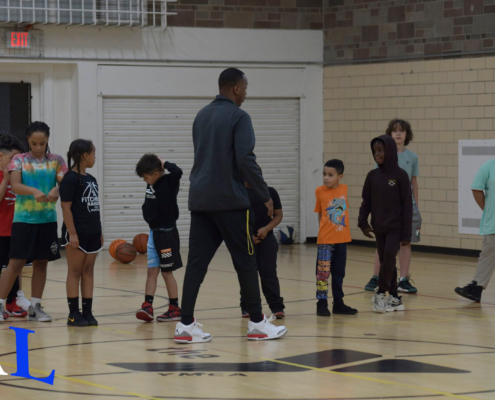
When the workday ends and the lights go down, Custom Cleaning Service of Peabody, Inc. gets to work. “We operate as our clients’ silent partner after business hours,” says Adam Paicos, of Templeton, who now serves as Director of Operations and oversees the company’s expansion into North Central MA. “We are not often seen, but we ensure facilities are clean, secure, and ready for business each day while serving as the eyes and ears for our clients when they are not on site.”

Discover local business stories through our Inside North Central Massachusetts Podcast series. Listen as Chamber members share their journeys, insights, and contributions to our thriving regional business community.

Looking for your next opportunity? Explore current job openings from employers across North Central Massachusetts on our Jobs Board. Whether you’re starting a new career or making a change, you’ll find a variety of local positions available to help you take the next step.
CapEx Facility Services & Construction · Leominster, MA
TaraVista Behavioral Health Center · Harvard, MA
DRS Power Technology, Inc. · Fitchburg, MA
AIS · Leominster, MA