Getting to Work: North Central Businesses Unite to Tackle Transportation Challenges

A business-led solution to one of our region’s greatest workforce challenges

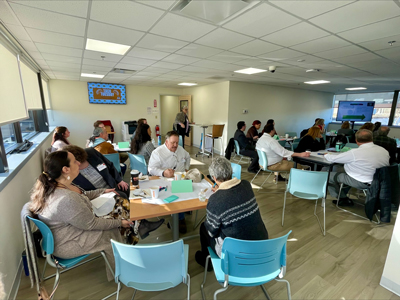
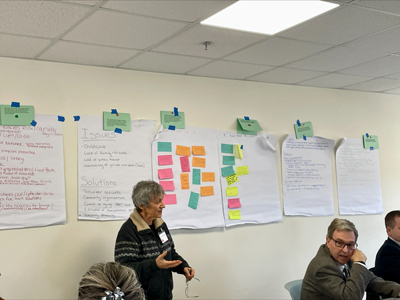
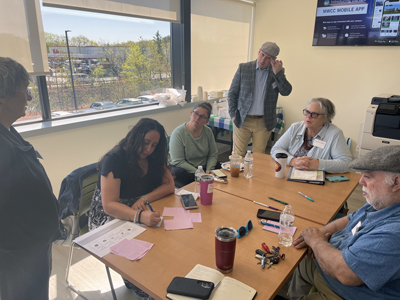
After years of research, planning, and collaboration, North Central Massachusetts is taking a bold step forward in addressing one of our most persistent economic challenges: transportation barriers that limit workforce participation and business growth. The North Central Massachusetts Rides Transportation Management Association (TMA) represents an innovative, business-led approach to solving the transportation puzzle that has long hindered our region’s economic potential.

The Business Case for Action

Transportation barriers don’t just inconvenience workers—these are obstacles that directly impact bottom lines. When qualified employees do not have access to reliable transportation to commute to and from work, businesses face chronic staffing challenges, increased turnover costs, and limited access to talent pools. In our largely rural region, where many communities lack comprehensive public transit, these challenges are particularly acute.

The data tells a compelling story. According to the 2022 UMass Donahue Institute workforce study commissioned by the Chamber, transportation emerged as one of the top barriers preventing full workforce participation in North Central Massachusetts. The study found that while public transportation exists in the region, it faces significant limitations: the commuter rail is designed primarily to bring workers from North Central Massachusetts into Boston rather than around the region, and while the Montachusett Area Transit Authority (MART) provides essential fixed-route bus services throughout the region, the challenge is often the “last mile” connectivity between transit stops and workplaces. The study noted that “getting from commuter rail through the ‘last mile’ to their workplace is a challenge for workers in the area unless their employer happens to be along an existing route.”

“Using public transportation for commuting outside of Leominster, Fitchburg, and Ayer is not a viable option for job seekers,” the study noted, identifying this as a critical impediment to regional economic growth. The research specifically recommended developing a TMA for the North Central Massachusetts Region as a strategic solution to these transportation challenges.

North-Central-MA-Businesses-Unite-to-Tackle-Transportation-Challenges

Understanding Transportation Management Associations

TMAs are membership-based, public-private partnerships that bring together employers, property owners, institutions, and municipalities to provide and promote transportation options for commuters. Think of them as regional cooperatives focused on solving practical business challenges through innovative transportation solutions.

TMAs complement—rather than compete with—existing public transit systems. While MART provides essential fixed-route bus services, the TMA will focus on more flexible, targeted solutions, such as shared shuttle services, and employer-specific transportation programs that can fill gaps in the existing transit network.

Bruno Fisher, administrator, MART, sees the TMA as a valuable partner in expanding regional mobility options. “MART is excited to be working collaboratively with the North Central Massachusetts Rides TMA and the diverse group of stakeholders the association is building. Our fixed-route services provide the backbone of public transportation in the region, but we recognize businesses and workers have diverse transportation requiring flexible solutions to supplement the services provided by MART. The TMA’s ability to provide targeted shuttle services and micro-transit options will complement our larger bus network perfectly by providing access to businesses outside the fixed route network and creating a more comprehensive transportation system that serves everyone better.”

Neil Angus, director of the Devens Enterprise Commission and a founding TMA member, sees the initiative building on proven success. “The Devens Shuttle we launched in 2017 in partnership with MART proved municipal-employer partnerships for transportation solutions can work. The Fitchburg Line Working Group has also worked to greatly improve MBTA commuter rail services in our region. The TMA takes this collaborative model region-wide, connecting municipalities, residents and employment centers across North Central Massachusetts. What we learned—that businesses collaborating with local, regional, and state government can solve challenges no single employer can tackle alone—is now scaling across North Central Massachusetts.”

TMAs have proven successful across Massachusetts, in places like the Route 128 corridor, the Middlesex 3 area, and in Greater Boston and Cambridge. They typically offer tools to facilitate carpools and vanpool formation, an emergency ride home program that guarantees alternative transportation for employees who commute via a shared transportation, shuttle services to fill critical transportation gaps, and transit planning and promotion to maximize use of existing public transportation.

North-Central-Businesses-Unite-to-Tackle-Transportation-Challenges-2

A Regional Response to Regional Challenges

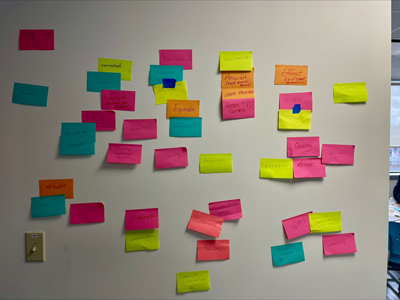
The formation of our TMA didn’t happen overnight. It emerged from extensive community engagement led by the Health Equity Partnership of North Central Massachusetts (CHNA9) through their Anchor Collaborative initiative. This collaborative process involved healthcare providers, educational institutions, major employers, government offices, and transportation authorities across our region.

“Transportation has been consistently identified as a key contributor to health disparities in every Community Health Assessment process in our region since at least 2014,” explains Chelsey Patriss, executive director, CHNA9/Health Equity Partnership of North Central Massachusetts. “Through the Anchor Collaborative, we brought together institutions that employ thousands of people and serve even more residents to address this fundamental barrier to economic opportunity and health access. The TMA represents the practical, business-focused solution that emerged from this collaborative assessment.”

The initiative also aligns with the Chamber’s “One North Central” regional economic development plan, which identified transportation infrastructure as critical for regional growth, business attraction, and workforce development.

Chamber Leadership Driving Innovation

This initiative reflects the Chamber’s commitment to addressing real barriers facing members and the broader business community. Throughout the collaborative development process, the Chamber maintained a seat at the table, working alongside members and regional stakeholders to explore the formation of this innovative solution. Building on this commitment to regional leadership, the Chamber has agreed to serve as the host organization for the TMA, providing administrative infrastructure while the TMA operates as an independent affiliate with its own board, budget, and governance structure.

“This TMA initiative represents exactly the kind of innovative, collaborative approach our region needs,” said Roy Nascimento, president and CEO, North Central Massachusetts Chamber of Commerce. “We understand transportation challenges limit our businesses’ access to talent and our workers’ access to opportunity. By hosting this TMA as an affiliate organization, the Chamber maintains its leadership role in exploring the development of practical solutions to shared challenges. This isn’t just about transportation—it’s about strengthening our economic competitiveness and creating positive conditions for business growth.”

The TMA’s founding members represent a cross-section of our region’s major employers and institutions, each bringing unique perspectives and employee populations to the collaborative effort.

North-Central-Businesses-Unite-to-Tackle-Transportation-Challenges-3

Technical Expertise Driving Results

The TMA benefits from professional management by TransAction Associates, a Massachusetts-based firm with over 33 years of experience in transportation program management and TMA operations. Michele Brooks, director of consulting, TransAction Associates, brings deep expertise to the North Central Massachusetts region.

“TMAs work because they create economies of scale and shared resources individual employers couldn’t achieve alone,” Brooks explains. “In North Central Massachusetts, we’re seeing exactly the kind of collaborative spirit that makes TMAs successful. The region’s employers understand transportation challenges affect everyone, and they’re willing to work together on solutions. Rural TMAs face unique challenges due to geography and lower population density, but they also have opportunities to be innovative and responsive to specific community needs.”

Practical Benefits for Businesses

For Chamber members, TMA participation offers tangible benefits that directly impact business operations:

Cost Savings: Shared transportation resources reduce individual company investment in employee transportation while creating efficiencies to lower overall transportation-related costs.

Improved Recruitment and Retention: Enhanced transportation options expand the geographic area from which businesses can recruit talent, while employee satisfaction with commute options improves retention rates.

Reduced Absenteeism: Reliable transportation alternatives reduce weather-related and vehicle-related absences, improving operational consistency.

Environmental Benefits: Coordinated transportation initiatives help businesses meet sustainability goals and potentially qualify for environmental incentives.

Regional Economic Development: Improved transportation connectivity makes the entire region more attractive to new businesses and residents, creating a rising tide that lifts all regional enterprises.

Rozanna Penney, president and CEO, Heywood Healthcare and a founding member of the TMA, sees the program as essential for both workforce recruitment and patient access. “Healthcare is one of our region’s largest employment sectors, but we’re also acutely aware of how transportation barriers affect our patients’ ability to access care and our employees’ ability to get to work reliably. With 1,700 employees, we understand transportation solutions benefit not just our workforce, but the entire community we serve.”

Business-Led Governance and Participation

The TMA operates on its own membership and fee-for-service model, separate from Chamber membership, designed to be accessible to businesses of all sizes while ensuring sustainable operations. Membership dues are structured based on organization’s type and size, with different levels for employers, property owners, residential properties, and municipalities. This business-led investment model ensures all members have a voice in TMA governance—every member organization has the opportunity to designate a representative to serve on the TMA’s board of directors, keeping control firmly in the hands of the business community.

Tricia Pistone, AVP of external affairs at HealthAlliance-Clinton Hospital and chair of the TMA’s founding board, emphasizes the collaborative vision driving this initiative. “As healthcare providers, we see firsthand how transportation barriers impact not just our workforce, but the health outcomes of our community. Taking on the board chair role represents HealthAlliance’s commitment to being part of the solution. This TMA brings together the collective strength of our region’s major employers to tackle a challenge none of us could solve alone. By pooling our resources and expertise, we’re creating sustainable transportation solutions that will benefit our employees, our patients, and ultimately strengthen the economic vitality of North Central Massachusetts.”

Initial Programming and Future Growth

In addition to founding member commitments from the private sector, the TMA has received an $85,000 grant from MassDOT’s TMA Assistance Program to help establish operations. The TMA’s initial year will focus on getting the organization up and running and establishing core services, including implementing a ridesharing and trip planning platform, an emergency ride home program, and marketing initiatives. Ongoing collaboration with MART will also expand awareness and utilization of existing transportation options. Future programming may include shuttle services to fill identified gaps, expanded vanpool coordination, and specialized transportation solutions for shift workers and off-hours employment.

Jason Zelesky, vice president of student affairs and dean of students, Mount Wachusett Community College and a founding TMA member, emphasizes the connection between transportation and educational opportunity. “Our students often face significant challenges getting to campus and to work-study opportunities. Many are balancing education with employment, and reliable transportation is critical for their success. The TMA will help our students access not just education, but the career opportunities that follow graduation.”

North-Central-Businesses-Unite-to-Tackle-Transportation-Challenges-1

A Sustainable, Collaborative Model

Unlike traditional public transit systems that rely heavily on government funding, the TMA model creates sustainable financing through member investment, grant funding, and potential fee-for-service revenue. This reduced reliance on government funding also makes the TMA more flexible and responsive to market conditions and the specific needs of participating employers and workers. The organization has already secured preliminary member commitments of $30,000, in addition to the MassDOT grant.

“Transportation equity isn’t just a social good—it’s an economic necessity,” notes Nascimento. “When people can’t get to work, businesses can’t find workers. When patients can’t access healthcare, the overall health of those in our community suffers. The TMA addresses these equity concerns while strengthening our regional economy.”

The TMA is exploring additional funding opportunities to help employers with transportation solutions and is looking to recruit more members who face transportation challenges and would benefit from a collaborative solution.

Getting Involved

Chamber members interested in joining the TMA can contact Michele Brooks at TransAction Associates for information about joining the TMA and requirements. The TMA operates as a separate organization with its own board, budget, and finances, while benefiting from Chamber administrative support and regional connections.

“The TMA represents the kind of innovative, collaborative solution our region needs to compete in today’s economy,” concludes Patriss. “By working together, we can create transportation solutions that no single employer could achieve alone, while building an infrastructure for future economic growth.”

For more information about TMA membership opportunities, contact Michele Brooks at TransAction Associates or visit the Chamber website at www.NorthCentralMass.com .

The North Central Massachusetts Rides Transportation Management Association operates as an affiliate of the North Central Massachusetts Chamber of Commerce. TMA membership is separate from Chamber membership and operates under its own governance structure and fee schedule.


North Central Massachusetts | Central Massachusetts | Massachusetts | Chamber of Commerce | North Central Massachusetts Chamber | Chamber of Commerce Membership | Chamber of Commerce Member Benefits | Chamber of Commerce near me | Blog

Tough Stuff Recycling: Turning Hard-to-Recycle Waste into Sustainable Progress

In today’s increasingly eco-conscious world, businesses that marry innovation with environmental responsibility are carving a vital path forward. One such trailblazer is Tough Stuff Recycling, a young yet dynamic company that has quickly emerged as a leader in the specialized recycling industry. Founded in 2022, this Fitchburg, Massachusetts-based operation is already making a significant impact across the Northeast by tackling one of the most overlooked areas in waste management: the recycling of mattresses, box springs, electronic waste, and bulky furniture items.

A New Generation of Recycling Services

Tough Stuff Recycling was established with a clear mission—to provide environmentally responsible solutions for hard-to-recycle materials. Over the past three years, the company has grown steadily, building relationships with municipalities, commercial waste haulers, hospitality businesses, universities, and major retailers. What sets Tough Stuff apart is its unwavering focus on reclaiming valuable materials that often end up in landfills. Through its advanced recycling systems, the company extracts foam, steel, textiles, and wood, helping reduce landfill dependency and supporting a broader shift toward a circular economy. This innovative model not only diverts thousands of pounds of waste from disposal but also contributes to sustainable material recovery and reuse.

High-Tech Facilities and Customer-Centric Solutions

At the heart of Tough Stuff Recycling’s operations is a state-of-the-art recycling facility located in Fitchburg, a strategically chosen site that underscores the company’s commitment to regional economic development and environmental stewardship. The facility features cutting-edge technology designed specifically to handle complex materials, with processes that are continually refined to achieve higher efficiency and material recovery rates. The company’s services are designed for convenience as well as impact. Customers can choose between curbside pickup and drop-off services, both aimed at making mattress and furniture recycling accessible to households and businesses alike. These flexible options demonstrate the company’s dedication to both service and sustainability.

Innovation at the Core

One of the hallmarks of Tough Stuff Recycling is its investment in innovation. The company stands out for its automated, high-throughput processing systems, including the first-of-its-kind machinery specifically developed for recycling pocket coil mattresses. This innovation alone has helped reclaim over 25 million pounds of steel from used mattresses—an achievement that showcases the scale of their environmental impact. With a forward-thinking mindset, the company is already integrating technologies such as artificial intelligence and automation to further streamline operations. These systems help sort and process materials more efficiently while lowering the company’s overall carbon footprint.

Culture and Community: A Dual Commitment

Inside the facility and beyond, Tough Stuff Recycling boasts a workplace culture rooted in passion, responsibility, and impact. The team is described as hardworking and mission-driven, unified by the goal of making tangible environmental improvements. According to spokesperson Mary Horsman, the company seeks employees who are “motivated, dependable, and driven to make a real environmental impact.” This values-based hiring approach has helped cultivate a strong internal culture that aligns with the company’s broader sustainability goals. Equally important is the company’s connection to its community, particularly North Central Massachusetts. “Fitchburg offers a strong sense of community and a strategic location for logistics,” Horsman notes. The region’s business-friendly environment and workforce have played a key role in Tough Stuff’s early success, providing a fertile ground for growth and collaboration.

Advocacy, Education, and Policy Engagement

Tough Stuff Recycling doesn’t limit its environmental mission to its own operations—it’s also an active advocate for progressive recycling policies at the state and regional levels. The company is a member of organizations like MassRecycle and regularly engages in public education and policy development, especially around Extended Producer Responsibility (EPR) legislation. Through these partnerships, Tough Stuff contributes to the shaping of sustainable waste management practices. The company frequently collaborates with government agencies, industry associations, and fellow recyclers to promote smart, scalable solutions that protect the environment while supporting economic growth.

Strengthening Regional Business Ties

As a proud member of the North Central Massachusetts Chamber of Commerce, Tough Stuff Recycling actively participates in efforts to boost local economies and foster regional development. “The Chamber’s mission mirrors our own,” says Horsman. “It’s about creating and sustaining meaningful relationships between businesses and the community.” Through the Chamber, the company accesses professional development programs, networking opportunities, and a powerful platform for legislative advocacy. These resources are vital as the company looks to expand its services and continue driving innovation in the recycling space.

A Bright Outlook for the Future

Despite being a relatively new player, Tough Stuff Recycling is already looking toward the future with ambitious goals. With the infrastructure, talent, and partnerships in place, the company is poised to scale operations throughout the Northeast, bringing its environmentally responsible solutions to a broader array of communities. The demand for mattress and bulky item recycling is only expected to grow in the coming years, especially as more states and municipalities adopt EPR mandates and implement stricter landfill regulations. Tough Stuff is well-positioned to meet this demand, thanks to its deep expertise, high-performance facility, and proactive engagement with policy and industry leaders.

Recognition and Growth

In just a few short years, Tough Stuff Recycling has transformed from a local operation into a multi-state service provider, operating successfully in both regulated and free-market environments. This rapid growth is a testament to the company’s adaptability and focus on quality. A standout achievement—recycling more than 25 million pounds of pocket coils—not only highlights the technical sophistication of Tough Stuff’s operations but also reflects the leadership of its visionary CEO, who pioneered the very system that made it possible.

Spreading the Word

To promote its services, Tough Stuff Recycling relies on strategic partnerships with associations and coalitions that span the recycling and hospitality industries. Organizations like MassRecycle, New Hampshire Recycles, and the Northeast Recycling Council help connect the company with municipalities and commercial entities that can benefit from their services. This network-based approach has proven to be highly effective, enabling Tough Stuff to grow its visibility while aligning with like-minded partners who share their commitment to sustainability. Tough Stuff Recycling is more than just a business—it’s a mission-driven organization reshaping how we think about waste, sustainability, and community engagement. With a foundation built on innovation, a commitment to environmental responsibility, and strong local roots, this Fitchburg-based company is proving that tackling the “tough stuff” is not only possible but also essential for a cleaner, greener future. As the world grapples with mounting waste and limited landfill space, companies like Tough Stuff Recycling show that practical solutions are already within reach—solutions that protect the planet, empower communities, and drive economic progress.

For more details, visit: www.toughstuffrecycling.com.


North Central Massachusetts | Central Massachusetts | Massachusetts | Chamber of Commerce | North Central Massachusetts Chamber | Chamber of Commerce Membership | Chamber of Commerce Member Benefits | Chamber of Commerce near me | Blog
Chamber Hosting Office Hours With State Economic Development Officials

In a partnership with the Massachusetts Office of Business Development (MOBD), MassDevelopment, and MassHire, the North Central Massachusetts Chamber of Commerce will be hosting state economic development officials for one-on-one appointments with local developers, manufacturers, and business owners. The meetings are an opportunity to discuss any specific matters related to their business or the expansion of their business, as well as to review state resources available to support business growth and expansion.

Kevin Kuros, Central Massachusetts Director for MOBD; Rob Anderson, Senior Vice President of MassDevelopment; Chuck Merrill, Senior Loan Officer for MassDevelopment; and Scott Percifull, Program Coordinator for MassHire, will be available at the Chamber office by appointment on Wednesday, September 24, between 10:00 a.m. and 12:00 p.m. The appointments are in thirty-minute increments and are first-come, first-served. The meetings are free and confidential, available on a non-discriminatory basis, and are handicapped accessible.

MOBD is the state’s economic development office and manages the Economic Development Incentive Program (EDIP), which provides tax credits for qualifying business expansion projects. In addition, MOBD directors are navigators in the state’s new Business Front Door portal, through which businesses can manage their interactions with state agencies and related quasi-public agencies. MOBD is also the home of the Massachusetts Center for Employee Ownership (MassCEO), which provides resources and information for businesses exploring employee ownership models, often as a succession planning strategy.

MassDevelopment, the state’s development finance agency and land bank, works with businesses, nonprofits, banks, and communities to stimulate economic growth across the Commonwealth. During FY2023, MassDevelopment financed or managed 545 projects generating investment of more than $2 billion in the Massachusetts economy. These projects are estimated to create or support 10,522 jobs and build or preserve 1,583 housing units. MassDevelopment has a variety of financing programs to address the needs of small businesses, from equipment to real estate to working capital.

MassHire Rapid Response coordinates state and federal resources for businesses, offering a single point of contact to multiple programs. The MassHire Rapid Response team provides layoff prevention, early intervention re-employment, layoff management, and outplacement services to companies and their employees. Additionally, we offer employment and training resources, including assistance with recruitment, hiring, and tax credit programs.

To schedule an appointment, contact Sandie Cataldo, Senior Economic Development Manager at the North Central Massachusetts Chamber of Commerce at 978.353.7600 ext. 232 or via email at .


North Central Massachusetts | Chamber of Commerce | Chamber of Commerce near me | Economic Development | Business Development | Business Loans | Business Technical Assistance | Small Business Loans | Small Business Technical Assistance | Business Development Corporation | Business Resources | Microloan Lender | Massachusetts Business |Expand Business | Supporting Businesses

Strategic Progress Report: 2025 Results

At the North Central Massachusetts Chamber of Commerce, we believe in setting ambitious goals and measuring our progress against them. As we prepare to launch our new three-year strategic plan this fall, we’re taking a transparent look back at how we performed against the measurable objectives we established in our 2022-2025 Strategic Plan.

Why We Measure Our Impact
Strategic planning without accountability is just wishful thinking. By tracking specific metrics across our five core goal areas, we ensure that every initiative, program, and partnership we pursue directly contributes to strengthening the regional economy and creating value for our members.

Our Results: The Full Picture
The comprehensive results below show both our significant achievements and the areas where we continue working toward our ambitious targets. We exceeded expectations in several key areas—including helping facilitate $497M in direct visitor spending (far surpassing our $200M goal) and successfully launching transformative initiatives like the Regional Business Investment Fund and North Central Massachusetts Land Bank.

At the same time, we faced challenges in areas like loan generation and job creation, reflecting the complex economic landscape and resource constraints that many regional organizations navigate. These mixed results provide valuable insights that are directly informing our upcoming strategic framework.

Looking Forward
This honest assessment of our progress demonstrates our commitment to continuous improvement and strategic focus—principles that drive our success in delivering measurable impact for North Central Massachusetts. The lessons learned from this three-year period are shaping our next chapter, ensuring we set realistic yet ambitious goals that reflect both our capabilities and our region’s greatest opportunities.

We invite you to review the detailed results here and share your thoughts as we finalize our new strategic direction.

Strategic Progress Report: 2025 Results

North Central Massachusetts | Central Massachusetts | Massachusetts | Chamber of Commerce | North Central Massachusetts Chamber | Chamber of Commerce Membership | Chamber of Commerce Member Benefits | Chamber of Commerce near me | Blog | Strategic Progress Report 2025 Results
Massachusetts Youth Soccer Association Marks a Half Century of Service and Growth

Founded in 1974, the Massachusetts Youth Soccer Association (commonly known as Mass Youth Soccer or MYS) celebrated its 50th anniversary in 2024—a milestone commemorating five decades of development, inclusion, and community soccer across the Commonwealth. Spokesperson Jaime Balboni reflects: “This anniversary wasn’t just about looking back—it’s an occasion to reaffirm our mission: to serve, educate, and provide safe soccer play for all.”

Uniting Youth Through Soccer

One of the North Central Massachusetts Chamber’s newest members, Mass Youth Soccer functions as the governing body for soccer in Massachusetts., overseeing programming, policies, and support for more than 100,000 young players and over 20,000 adult volunteers. The organization delivers a wide array of player development programs, coach and referee education, risk management initiatives, and organizational support for affiliated clubs and leagues. Their work structures the backbone of youth soccer throughout the state, ensuring quality and consistency across all levels. Their mission, as stated, is “to serve, educate, and provide safe soccer play for all,” underpinned by a vision to “lead, inspire & unite soccer communities,” and rooted in values like fun, growth, inclusion, integrity, respect, compassion, and belonging—all reaffirmed in a March 2023 update to their mission‑vision‑values platform

Programs That Matter

  • Mass Youth Soccer offers numerous programs that touch every corner of youth soccer:
    • TOPSoccer, created for athletes with intellectual, emotional, or physical disabilities, ensures that no player is excluded from the joy of sport.
    • The Olympic Development Program (ODP) aims to identify and nurture elite players, focusing on individual growth and holistic development through rigorous tryouts and seasonal camps
    • The Districts (formerly District Select Program), launched each summer, provides pressure‑free competition across seven districts, leading up to a community event at Progin Park. The 2025 season began July 6, with district games followed by a culminating event in early August
    • The Town Select League (TSL) works in partnership with town-based soccer organizations to give players a higher level of development and select-level competition. TSL practices weekly and plays Sunday matches, offering structured development with minimized travel and cost
    • Futsal programming through affiliated leagues such as the Coastal Youth Futsal League provides year-round, small-sided indoor soccer opportunities
    • Resources such as session planning guides for volunteer coaches—covering U6 to U12 levels—and user-friendly educational tools like Play‑Practice‑Play methodology support effective grassroots coaching across the state
    • Empowering Coaches, Referees & Organizations
    •  Mass Youth Soccer emphasizes education and certification:
    • Coach education includes workshops, certification courses, survival guides, and technical resources that equip volunteers to be effective mentors.
    • Referee development and risk management are central, especially with the enforcement of U.S. Soccer’s Policy 531‑9 (misconduct toward officials) beginning March 1, 2025, which governs all Mass Youth Soccer‑sanctioned play . All adult volunteers must complete SafeSport, concussion awareness training, and pass CORI and national background checks
    • They provide a Member Toolkit—a comprehensive administration guide for club officers, helping organizations comply with governance best practices, waivers, financial guidelines, and safe operations
    • Governance is provided by a volunteer Board of Directors, elected at the Annual General Meeting, which helps steer strategy, policy, and organizational direction

Culture & Organizational Values

“Our workplace culture is collaborative, mission‑driven, and grounded in values of fun, growth, inclusion, and integrity,” says Balboni. The team is committed to creating a supportive environment where staff feel valued, respected, and empowered—a reflection of the culture Mass Youth Soccer encourages across its broader community. In hiring, Mass Youth Soccer seeks individuals who are passionate about youth development, collaborative in spirit, committed to diversity, and aligned with their core organizational values.

Community Impact & Influence

Mass Youth Soccer’s impact is felt statewide. Through TOPSoccer, thousands of youth with disabilities gain structured and supportive play opportunities. Their partnerships with local clubs, leagues, and partner organizations help deliver programming in both urban and underserved communities. The organization’s influence is rooted in the hundreds of volunteers, coaches, and referees—the backbone of local soccer—who bring passion and commitment every day. National and international soccer organizations shape the association’s standards in safety, inclusion, and player development. Most importantly, the families and communities who participate continually influence how programs evolve to remain relevant and accessible.

Looking Ahead: A Vision for the Future

“Our future is bright,” Balboni affirms. Mass Youth Soccer is focused on:

  • Enhancing player development structuring across programs like Districts, TSL, ODP, and TOPSoccer.
  • Advancing coach and referee education, leveraging technology and streamlined access to certification courses.
  • Expanding access to the game—particularly in underserved and urban areas—via outreach efforts and inclusive programs.
  • Strengthening community partnerships, enhancing collaboration with clubs, leagues, schools, and local organizations that share the mission.
  • Their goal is to grow the game in a manner that stays true to their core values: fun, growth, inclusion, and integrity.

Why It Matters

In an age where youth involvement in sports is often challenged by cost, safety concerns, and access barriers, Mass Youth Soccer stands out as a state-level organization purpose-built to tackle these issues head-on. They provide programming that is affordable, inclusive, and grounded in player-centered development. By supporting coaches and referees, educating volunteers, ensuring compliance and safety, and championing inclusive initiatives like TOPSoccer, Mass Youth Soccer plays a critical leadership role in making soccer a positive, community-building experience across Massachusetts. As Balboni summed it, “Our 50-year milestone is not the end of our journey—it’s a launching pad. We remain committed to shaping soccer environments where every youth can play, grow, and belong.” This forward-looking perspective, rooted in a legacy of service since 1974, positions Mass Youth Soccer to continue strengthening communities, empowering volunteers, and connecting children with the joy and lifelong benefits of the beautiful game.

For more information
Contact: Jaime Balboni, Mass Youth Soccer Association, Lancaster, MA
Website: www.mayouthsoccer.org

Phone: (978) 466‑8812


North Central Massachusetts | Central Massachusetts | Massachusetts | Chamber of Commerce | North Central Massachusetts Chamber | Chamber of Commerce Membership | Chamber of Commerce Member Benefits | Chamber of Commerce near me | Board of Directors | Blog

La Cámara de Comercio del Centro Norte de Massachusetts y Leadership Dynamics, Inc. Anuncian Alianza Exclusiva para el Desarrollo Profesional

Asociación para ofrecer descuentos exclusivos en capacitación y desarrollo profesional a los miembros de la Cámara

 La Cámara de Comercio del Centro Norte de Massachusetts y Leadership Dynamics, Inc. hoy anunciaron que se han asociado para desarrollar un Programa de Afinidad para miembros de la Cámara diseñado para mejorar el desarrollo de liderazgo profesional y las oportunidades de capacitación. Adicionalmente, los participantes podrían calificar para un reembolso a través del Fondo de Capacitación de la Fuerza Laboral de Massachusetts existente.

“Esta asociación aborda una importante necesidad comercial para desarrollar sólidas capacidades de liderazgo y mejorar la productividad de la fuerza laboral para los empleadores de nuestra región”, dijo Roy M. Nascimento, presidente y director ejecutivo de la Cámara de Comercio del Norte Central de Massachusetts. “Además de ofrecer importantes descuentos, el programa proporcionará a los miembros las herramientas y la capacitación de liderazgo que necesitan para prosperar en el competitivo mercado actual, al tiempo que construyen equipos internos más sólidos”.”

Las características clave del programa de afinidad incluyen:

  • Descuento exclusivo 20% en todos los programas de capacitación de Leadership Dynamics
  • Acceso a capacitación virtual interactiva en vivo utilizando plataformas educativas de vanguardia
  • Posibilidad de reembolso de la matrícula a través del Fondo de Capacitación Laboral de Massachusetts (hasta $3,000 por persona, con un límite anual de $15,000 por empresa)
  • Una variedad de cohortes públicas, exclusivas de la empresa o exclusivas de la cámara.
  • Programas diseñados para empresas que buscan aumentar las ventas, expandir operaciones, navegar por cambios o mejorar el rendimiento del equipo.

Con más de 30 años de experiencia, Leadership Dynamics se especializa en ayudar a las empresas a desarrollar equipos de liderazgo, mejorar la productividad de los empleados y aumentar la rentabilidad. La empresa ofrece dos programas insignia: Productividad en el Lugar de Trabajo (capacitación fundamental que cubre establecimiento de metas, gestión del tiempo, comunicación y delegación) y Liderazgo y Coaching en el Lugar de Trabajo (programa avanzado centrado en el desarrollo de habilidades de coaching y estrategias de retención de talento).

Paul Brown, presidente de Leadership Dynamics, comentó sobre la asociación: “Estamos encantados de asociarnos con la Cámara de Comercio del centro-norte de Massachusetts para llevar nuestros programas integrales de desarrollo de liderazgo a la comunidad empresarial local. Habiendo trabajado con cientos de empresas, desde startups hasta organizaciones Fortune 500, entendemos el papel fundamental que juega el liderazgo efectivo en el éxito empresarial. Esta asociación nos permite extender nuestra experiencia para apoyar la vitalidad económica del centro-norte de Massachusetts”.”

Todos los programas se ofrecen en un entorno virtual y se imparten en vivo con retroalimentación del instructor y coaching de mentoría durante toda la duración del programa. La capacitación es especialmente valiosa para empresas que desean aumentar las ventas o la productividad, están contratando o expandiendo, enfrentan desafíos de gestión, están navegando por un crecimiento o reorganización, o han invertido previamente en capacitación y desarrollo.

Los miembros de la Cámara pueden acceder a estos beneficios exclusivos completando el proceso de registro. Leadership Dynamics trabajará entonces directamente con la Cámara para verificar la membresía y aplicar los descuentos correspondientes. Se anima a los miembros a explorar las oportunidades de financiamiento de subvenciones a través de Fondo de Capacitación Laboral de Massachusetts.

Para más información sobre el programa y sus beneficios, los miembros de la Cámara pueden visitar leadershipdynamicsinc.com o northcentralmass.com/affinity-programs.


Norte de Massachusetts Central | Massachusetts Central | Massachusetts | Cámara de Comercio | Cámara de Comercio del Norte de Massachusetts Central | Membresía de la Cámara de Comercio | Beneficios para miembros de la Cámara de Comercio | Cámara de Comercio cerca de mí | Descuento para miembros | Blog | Programa de afinidad

North Central Massachusetts Development Corporation approves financing for HaBBQ

The North Central Massachusetts Development Corporation (NCMDC), the economic development arm of the North Central Massachusetts Chamber of Commerce, recently approved financing of $50,000 for the purchase of a food trailer to establish HaBBQ, a food truck business based in Rutland. Business planning was provided by the Small Business Development Center at Clark University.

Turning his passion into a business, HaBBQ Owner Jordan El-Qasem wanted to provide a unique flavored BBQ, which blends traditional Texas-style BBQ with Middle Eastern spices, while also offering halal-certified meats. Halal-certified meat adheres to Islamic law and is permissible for Muslims to eat.

“I’ve been working to perfect my recipe for the past five years and I’m looking forward to sharing my unique take on traditional BBQ with foodies, BBQ enthusiasts, and the entire community,” said El-Qasem. “The North Central Development Corporation and the Small Business Development Center made it possible for me to turn my passion into an established business with their expertise, knowledge and guidance toward the financing and business acumen I needed to make my dream come true.”

HaBBQ can be found at various food festivals, breweries, events and venues throughout central Massachusetts every weekend. For more information and a current schedule visit HaBBQ on Facebook

Como entidad de microcréditos, NCMDC puede otorgar préstamos a pequeñas empresas de hasta $250,000 para capital de trabajo, bienes inmuebles, equipo, inventario y expansión, además de colaborar con nuestros socios bancarios para proporcionar financiamiento puente para la etapa final de un proyecto.

For more information about the NCMDC loan programs, please call 978.353.7607 or visit NorthCentralMass.com or ChooseNorthCentral.com


North Central Massachusetts | Central Massachusetts | Massachusetts | Chamber of Commerce | North Central Massachusetts Chamber | Chamber of Commerce Membership | Chamber of Commerce Member Benefits | Chamber of Commerce near me | Business Development | Business Loans | Business Technical Assistance | Small Business Loans | Small Business Technical Assistance | Business Development Corporation | Microloan Lender | Massachusetts Business | New England Town | Blog

Good Morning North Central Recognition

Celebrating Excellence in North Central Massachusetts

Throughout the year, we celebrate the businesses and individuals who make North Central Massachusetts a thriving place to live, work, and grow. The Good Morning North Central Recognition Program puts a spotlight on the remarkable achievements and lasting contributions of our Chamber members.

About the Program

The mission of the Good Morning North Central Recognition Program is to highlight and celebrate Chamber members who make significant contributions to our region. While the Good Morning North Central Breakfast series focuses on learning and networking, the recognition program specifically honors individuals, civic entities, projects, businesses and organizations that are Chamber members for their major contributions to economic growth, improvement of the quality of life in the region, major milestones and other activities that enhance North Central Massachusetts. The goal is to showcase during the breakfast program the full spectrum of our members’ achievements and their positive impact on our communities.

Recognition Categories

Business Milestone Recognition

Celebrating Chamber member businesses reaching major milestones in 25-year increments: 25, 50, 75, and 100+ years of service to North Central Massachusetts.

Leadership Transitions

Honoring new executive leadership that brings fresh vision and energy to our region, including new Presidents, CEOs, or Executive Directors of major regional employers (25+ employees) and new leadership of educational institutions and significant community organizations.

Major Business Development

Recognizing substantial investments that strengthen our regional economy through significant new business openings with major regional impact, major facility expansions or developments, and substantial workforce growth initiatives.

Individual Achievement & Major Recognition

Celebrating exceptional accomplishments that bring positive recognition to North Central Massachusetts, including major industry awards from recognized organizations, significant civic honors and community leadership, and breakthrough innovations with substantial regional impact.

Community Enhancement

Highlighting projects and initiatives that improve our region through major construction and infrastructure improvements, economic development initiatives, and programs that enhance quality of life in North Central Massachusetts.

Program Highlights

  • Chamber Members Only – Recognition exclusively for current Chamber members
  • Regional Impact Focus – Celebrating achievements that benefit North Central Massachusetts
  • Quarterly Recognition – 3-5 honorees featured at select breakfast events
  • Professional Presentation – Honorees receive recognition at our well-attended breakfast series
  • Community Celebration – Highlighting the full spectrum of member achievements
  • Attendance Required – If selected for recognition, honorees must attend the breakfast event to accept the honor
  • Rolling Nominations – Submissions accepted year-round with regular committee review
  • Alternative Recognition – Some nominations may be better suited for other Chamber programs such as ribbon cuttings or member profiles

How to Nominate

Who Can Nominate: Anyone can submit nominations, including self-nominations from Chamber members

Nomination Process: Complete our online nomination form with details about the achievement, milestone, or contribution

Review Process: A committee reviews all nominations based on established criteria, regional impact, and program goals

Recognition Events: Selected honorees are invited to attend a Good Morning North Central Breakfast as guests of the Chamber to accept their recognition

Ready to Nominate?

Know a Chamber member who deserves recognition? We want to hear about their achievements and contributions to North Central Massachusetts.

Nominate Now

Questions about the program? Contact us at or call 978.353.7600 ext. 235.

Frequently Asked Questions

Q: Can I nominate myself?
A: Yes! Self-nominations are welcome and encouraged.

Q: Would a new small business opening or expansion qualify for recognition?
A: New business openings and expansions are wonderful milestones that we love to celebrate! However, a Ribbon Cutting Ceremony would be the more appropriate option for these occasions. The Chamber offers this FREE service to current and new members who have opened their business in the last 12 months, moved to a new location, changed ownership, or been remodeled/expanded. Ribbon cuttings are specifically designed to help you kick-off your grand opening, meet key community leaders, and get acquainted with your neighbors and fellow Chamber members. We also have other channels to help promote your business through our website, social media, and member communications. For more information about scheduling a ribbon cutting, contact us at or 978.353.7600.

Q: Can businesses nominate their employees for recognition?
A: Yes! While Leadership Transitions recognition is reserved for top organizational leaders only, all employees of Chamber member businesses are eligible for our other recognition categories. The key requirement is that their achievement must be exceptional and bring significant positive recognition to both North Central Massachusetts and their employer. Examples of qualifying achievements include receiving major national awards, developing breakthrough patents, or earning prestigious industry recognition that elevates our region’s reputation. Personal milestones like new degrees, professional certifications, or internal promotions are wonderful accomplishments that we’d be happy to celebrate through our social media, member newsletters, and other promotional channels, but they don’t meet the criteria for breakfast recognition.

Q: I am a senior-level official at my company and was recently promoted. Would I qualify for Leadership Transitions recognition?
A: Congratulations on your promotion! While the Leadership Transitions category is specifically limited to top leaders (Presidents, CEOs, Executive Directors), we have other great ways to recognize your career advancement. We’d love to feature your promotion in our member news, social media channels, or through other promotional opportunities. Your achievement is definitely worth celebrating, and we’ll help you find the right channel to do so!

Q: Will honorees need to give a speech?
A: No speech is required. They simply need to be present to accept their recognition. We will take pictures during and after the program to share on our channels, and we may ask for a quote from the honoree to help share their story, but there’s no pressure to speak publicly. The focus is on celebrating your achievement, not putting you on the spot!

Q: Who attends the Good Morning North Central Breakfasts?
A: Our breakfast events attract business leaders, community officials, Chamber members, and other professionals from across North Central Massachusetts. It’s an excellent networking opportunity where you’ll be recognized in front of influential members of our regional business community.

Q: How will my recognition be promoted beyond the breakfast event?
A: We’ll highlight your recognition across our media channels, including our website, newsletters, and social media platforms where we have a strong following of over 50,000 followers. This extends the reach of your recognition well beyond the breakfast attendees.

Q: When are the breakfast events held?
A: Good Morning North Central Breakfasts are held in September, November, January, and March. We do not present recognition awards in May since we focus on our scholarship recognition that month.

Q: What qualifies for Individual Achievement & Major Recognition?
A: This category is for exceptional achievements that bring positive recognition to North Central Massachusetts. Examples that would qualify include major industry awards from recognized organizations (like “National Manufacturer of the Year,” “Ernst & Young Entrepreneur of the Year,” or “Inc. 5000 Fastest Growing Companies”), significant civic honors (like Presidential Medal of Freedom, Malcolm Baldrige Quality Award, or being appointed to a federal commission), or breakthrough innovations with substantial regional impact (like developing a patented technology that creates significant local jobs or receiving national recognition for environmental innovation). Personal achievements like earning a new degree, professional certifications, completing training programs, or being appointed to a nonprofit board are wonderful accomplishments that we’d love to help you celebrate through other channels, but they wouldn’t meet the criteria for breakfast recognition since they don’t have the broader regional impact we’re highlighting at these events.

Q: What qualifies for Community Enhancement recognition?
A: This category recognizes substantial projects or initiatives that improve quality of life across North Central Massachusetts. Examples that would qualify include major infrastructure projects (like building a new community center or recreational facility), significant economic development initiatives, or large-scale construction projects that benefit the broader region (like developing a major mixed-use development or industrial park). Smaller community contributions like sponsoring a local event, volunteering for a charity drive, or donating to a nonprofit are valuable community support that we appreciate, but they would be better recognized through other channels as they don’t represent the major regional enhancement projects this category is designed to highlight.

Q: What if my nominee isn’t selected?
A: We appreciate every nomination we receive! Since we limit recognition to 3-5 honorees at each breakfast to ensure meaningful focus on each recipient, we may hold your nomination for a future breakfast event when the timing and program balance work better. Alternatively, we may reach out to suggest that your nominee would be an excellent fit for another Chamber recognition program that might be more appropriate for the specific achievement, such as our ribbon cutting ceremonies, member spotlights, or other promotional channels. Our goal is to celebrate all our members’ successes through the most fitting recognition opportunity.

Q: How often are recognitions presented?
A: We target 3-5 recognitions at select breakfast events throughout the year, maintaining geographic and category diversity.

Q: Do nominees have to be Chamber members?
A: Yes, this program exclusively recognizes current Chamber members and their achievements.

Q: What makes a strong nomination?
A: Focus on achievements with clear regional impact, specific details about the contribution or milestone, and how it enhances North Central Massachusetts.


North Central Massachusetts | Central Massachusetts | Massachusetts | Chamber of Commerce | North Central Massachusetts Chamber | Chamber of Commerce Membership | Chamber of Commerce Member Benefits | Chamber of Commerce near me | Business Development | Workforce Development | Business Associations | Business Resources | Business Recognition | Blog

H.R. 1 - Ley de un Gran y Hermoso Proyecto de Ley: Lo que las Empresas del Centro Norte de Massachusetts Necesitan Saber

Actualización Legislativa para Miembros de la Cámara de Comercio del Norte Central de Massachusetts

Resumen

La Ley "One Big Beautiful Bill" (Un Gran y Hermoso Proyecto de Ley) es un proyecto de ley de conciliación presupuestaria que reduce impuestos, modifica el gasto para diversos programas federales, aumenta el límite legal de la deuda y aborda agencias y programas en todo el gobierno federal, que fue promulgada por el presidente Trump el 4 de julio de 2025. Este paquete de conciliación presupuestaria consolida las prioridades políticas de 10 comités del Senado en un marco legislativo único y de gran alcance, con 870 páginas de disposiciones que impactan significativamente la política fiscal, las operaciones comerciales y el gasto federal en múltiples sectores.

Disposiciones fiscales clave para empresas

Beneficios de Pequeñas Empresas

Deducción por Ingresos Calificados de Negocios (Sección 199A)

  • Convierte en permanente la deducción por ingresos comerciales calificados 20% (cuya vigencia estaba prevista inicialmente hasta el 31 de diciembre de 2025)
  • Amplía el rango de aplicación gradual al aumentar los umbrales de $50,000/$100,000 a $75,000/$150,000 para contribuyentes individuales y conjuntos, respectivamente
  • Establece una deducción mínima ajustada por inflación de $400 para los contribuyentes con al menos $1,000 de ingresos comerciales que cumplan los requisitos

Gastos empresariales mejorados

  • Depreciación acelerada permanente 100% para bienes que cumplan los requisitos, adquiridos y puestos en servicio después del 19 de enero de 2025
  • Aumenta el límite de gastos deducibles para pequeñas empresas conforme a la Sección 179 de $1.25 millones a $2.5 millones
  • Deducción temporal 100% para determinados bienes inmuebles no residenciales de nueva construcción utilizados en actividades de producción que cumplan los requisitos (la construcción debe comenzar después del 19 de enero de 2025 y antes del 1 de enero de 2029)

Investigación y Desarrollo

  • Restablece permanentemente la capacidad de deducir inmediatamente los gastos internos de investigación y experimentación para ejercicios fiscales que comiencen después del 31 de diciembre de 2024

Deducción de Intereses Comerciales

  • Restablece el cálculo más favorable basado en el EBITDA para los límites de deducción de intereses comerciales, reemplazando el método menos favorable que había estado vigente desde 2022.

Alivio en la deducción del impuesto estatal y local (SALT, por sus siglas en inglés)

  • Aumenta temporalmente el límite de la deducción SALT de $10,000 a $40,000 para los contribuyentes individuales ($20,000 para los casados que presentan declaraciones por separado) a partir de 2025 y hasta 2029.
  • Se reduce gradualmente para los contribuyentes con un ingreso bruto ajustado modificado superior a $500,000 ($250,000 para los casados que presentan declaraciones por separado), pero la deducción no puede ser inferior a $10,000
  • El límite máximo aumenta en 1% cada año hasta 2029, y luego vuelve a situarse en $10,000 de manera permanente en 2030
  • Beneficia particularmente a los propietarios de pequeñas empresas en entidades de pase directo (sociedades colectivas, corporaciones S, LLC) que pagan impuestos estatales y locales sobre los ingresos comerciales a través de sus declaraciones individuales.
  • Preserva las estrategias de elusión de impuestos existentes para entidades de traspaso (PTET) que muchos estados han implementado, permitiendo a las pequeñas empresas deducir los impuestos estatales pagados a nivel de entidad.

Informe de Alivio

  • Alivio 1099-K: Revoca la reducción prevista de los umbrales de presentación de informes 1099-K, restableciendo los requisitos de $20,000 y 200 transacciones (que anteriormente se preveía que se redujeran a $600 para 2026). Esto reduce significativamente las cargas administrativas para las empresas que utilizan plataformas de pago.
  • Aumento de los umbrales para el formulario 1099-MISC/NEC: Aumenta los umbrales de declaración de $600 a $2,000 para los pagos a contratistas independientes a partir de 2026, lo que reduce la carga administrativa para las empresas que contratan a trabajadores independientes o contratistas.

Cambios en el Impuesto sobre la Renta Individual que Afectan a los Propietarios de Negocios

Tasas de Impuesto sobre la Renta de las Personas Físicas

  • Establece de manera permanente las tasas impositivas individuales de 10%, 12%, 22%, 24%, 32%, 35% y 37% de la Ley de Recortes de Impuestos y Empleos de 2017
  • Aumenta la deducción estándar a $15,750 para contribuyentes solteros, a $23,625 para jefes de familia y a $31,500 para matrimonios que presentan declaración conjunta (ajustada a la inflación)

Disposiciones sobre el Impuesto de Sucesiones

  • Aumenta de manera permanente la exención del impuesto sobre el patrimonio a $15 millones para contribuyentes solteros ($30 millones para matrimonios que presentan una declaración conjunta) a partir de 2026, indexada a la inflación

Disposiciones relacionadas con empleados

Sin impuestos sobre propinas y horas extras

  • Provisión de propinas: Elimina el impuesto federal sobre la renta de las propinas que cumplan con los requisitos, hasta un máximo de $25,000 al año
    • Límites de ingresos: La deducción se reduce gradualmente para las personas con ingresos superiores a $150,000 ($300,000 para quienes presentan declaración conjunta); se reduce en $100 por cada $1,000 que supere el umbral
    • Restricciones laborales: Limitado a ocupaciones que “acostumbran y reciben regularmente propinas” antes del 31 de diciembre de 2024 (el Secretario del Tesoro debe publicar la lista de ocupaciones que califican dentro de los 90 días)
    • Industrias calificadasSe espera que incluya camareros/camareras, conductores de Uber/delivery, taxistas, esteticistas, peluqueros, barman
    • Industrias excluidasNo disponible para ciertas industrias (lista específica que publicará el Tesoro para futuras orientaciones)
    • Propinas solo en efectivoIncluye pagos en efectivo y propinas cargadas, excluye propinas no monetarias (canastas de regalo, boletos de cine, etc.)
    • Cargos por servicio no incluidosLos cargos obligatorios por servicio y las propinas automáticas no califican
    • Los impuestos de Seguridad Social/Medicare aún aplicanSolo elimina el impuesto federal sobre la renta, no los impuestos sobre la nómina
  • Disposición de horas extras: Elimina el impuesto federal sobre la renta aplicable a las horas extras que cumplan con los requisitos, hasta un máximo de $12,500 al año ($25,000 para quienes presentan una declaración conjunta)
    • Límites de ingresos: Los mismos umbrales de eliminación gradual que los de la disposición sobre propinas ($150 000/$300 000)
    • Requerimiento de la FLSASolo aplica a horas extras requeridas bajo la Ley de Normas Justas de Trabajo, no a ley estatal ni a horas extras voluntarias.
    • Pago premium únicamente: Solo se considera el componente de recargo del pago por horas extras (por ejemplo, si el salario normal es de $10 por hora y el de horas extras es de $15 por hora, solo se considera el recargo de $5)
  • Disposición temporalAmbas propinas y deducciones por horas extra expiran después de 2028

Crédito Tributario por Hijos

  • Aumenta de manera permanente el crédito tributario por hijos a $2,200 por cada hijo que cumpla con los requisitos a partir de 2025

Crédito fiscal mejorado por licencia familiar y médica

  • Hace permanente el crédito fiscal para el empleador por licencias familiares y médicas remuneradas (originalmente programado para expirar el 31 de diciembre de 2025).
  • El crédito oscila entre 12,5% y 25% del salario pagado a los empleados que cumplan con los requisitos durante la licencia familiar y médica
  • Nueva disposición permite a los empleadores reclamar el crédito contra las primas pagadas por pólizas de seguro de licencia remunerada que califiquen
  • Amplía los requisitos de calificación, permitiendo a los empleadores reducir el requisito del período de empleo de un año a seis meses.
  • Permite que los empleadores previamente descalificados por los requisitos estatales de licencias calificen al contabilizar montos superiores a lo requerido por la ley estatal.

Beneficios de cuidado infantil proporcionados por el empleador

  • Aumenta considerablemente el crédito fiscal máximo por cuidado infantil proporcionado por el empleador de $150,000 a $500,000 al año
  • Aumenta el porcentaje de gastos cubiertos de 25% a 40% de los gastos de cuidado infantil que cumplen con los requisitos
  • Beneficios especiales para pequeñas empresas: El monto máximo del crédito aumenta a $600,000, con una tasa de crédito de 50% para las pequeñas empresas que cumplan con los requisitos (aquellas con ingresos brutos de $31 millones o menos en 2025)
  • Nueva disposición de agrupación de cuidado infantilPermite que las pequeñas empresas unan sus recursos para brindar servicios de cuidado infantil a sus empleados, mientras conservan la elegibilidad para el crédito fiscal.
  • Permite a las empresas utilizar intermediarios externos para servicios de cuidado infantil, manteniendo al mismo tiempo la elegibilidad para créditos

Asistencia para Préstamos Estudiantiles

  • Hace permanente la exclusión de los pagos de préstamos estudiantiles pagados por el empleador del ingreso imponible de los empleados
  • Mantiene el límite anual de $5,250 con ajustes por inflación a partir de 2027

Análisis de Impacto Económico

Según la Oficina de Presupuesto del Congreso, la legislación aumentaría el déficit en $2.4 billones en un plazo de 10 años, con costos adicionales por el servicio de la deuda de $551 mil millones, lo que elevaría el impacto total en el déficit a $3.0 billones. Un análisis independiente estima que la ley aumentaría el PIB a largo plazo en un 1,2 por ciento, al tiempo que reduciría los ingresos fiscales federales en $5 billones durante la próxima década.

Posibles desafíos para las empresas

Costos de Atención Médica y Mano de Obra

  • Reducciones en la cobertura de MedicaidLa Oficina de Presupuesto del Congreso estima que 11.8 millones de estadounidenses podrían perder su cobertura de salud a través de Medicaid en la próxima década, lo que podría aumentar el número de trabajadores no asegurados en el mercado laboral. Esto podría llevar a:
    • Mayor demanda de seguros médicos patrocinados por el empleador a medida que los trabajadores pierden la cobertura pública
    • Aumento de los costos de atención médica para las empresas que ofrecen seguro médico.
    • Mayor probabilidad de que los empleados busquen empleos específicamente por los beneficios de salud
    • Impactos potenciales en la productividad de trabajadores con afecciones médicas no tratadas
  • Desplazamiento de costos de SNAP: A partir de 2028, transfiere los costos del Programa de Asistencia Nutricional Suplementaria (SNAP) a los estados con tasas de pagos erróneos superiores a 6%. Esto podría dar lugar a:
    • Reducción de los beneficios de SNAP en los estados afectados, lo que podría aumentar el estrés financiero en los empleados con salarios más bajos.
    • Mayor rotación de empleados mientras los trabajadores luchan contra la inseguridad alimentaria
    • Aumento de solicitudes de anticipos salariales o ayuda de emergencia por parte de los empleadores
    • Mayor necesidad de programas de asistencia al empleado
  • Impactos Empresariales para Proveedores de Atención Médica: Las empresas de atención médica enfrentan desafíos operativos específicos:
    • Volúmenes de pacientes reducidos al perder 11.8 millones de estadounidenses la cobertura de Medicaid, impactando directamente los ingresos de hospitales, clínicas y otros centros de atención médica.
    • Las restricciones fiscales para los proveedores, con tasas máximas que se reducirán gradualmente hasta alcanzar el 3,51 TP3T para el año fiscal 2032, podrían reducir los fondos estatales disponibles para apoyar a los centros de salud
    • El financiamiento para la atención médica rural aporta $50 mil millones durante cinco años (2026-2030), pero finaliza en 2030 y es posible que no compense las reducciones más amplias en Medicaid
    • Límites de pago dirigidos por el estado que restringen los pagos por servicios hospitalarios y de atención médica bajo contratos de atención administrada de Medicaid a las tarifas de pago de Medicare en lugar de las tarifas comerciales más altas
    • Aumento de la atención no compensada a medida que más personas pierden su seguro médico, lo que tensa las finanzas, especialmente para los hospitales de redes de seguridad y los centros de salud comunitarios.

Cambios en el Sector Energético

  • Elimina numerosos incentivos fiscales de la Ley de Reducción de la Inflación de 2022 para la energía limpia, los vehículos eléctricos y los programas de eficiencia energética
  • Elimina los créditos fiscales para vehículos eléctricos nuevos y usados, la instalación de equipos de carga para vehículos eléctricos en el hogar y mejoras de eficiencia energética.

Consideraciones Regionales para el Norte Central de Massachusetts

Beneficios de Fabricación y Producción

Las disposiciones mejoradas para la deducción de gastos empresariales y los incentivos de I+D beneficiarán particularmente al sector manufacturero de la región, permitiendo la deducción inmediata de la compra de equipos e inversiones en investigación a nivel nacional.

Impacto del Sector de Servicios

La deducción permanente por ingresos comerciales calificados 20% seguirá beneficiando a muchas empresas de servicios de la región. Las disposiciones de exención fiscal sobre las propinas y las horas extras beneficiarán principalmente a los trabajadores de ingresos medios en ocupaciones que cumplan con los requisitos, ya que los trabajadores con propinas de ingresos más bajos a menudo ya deben poco o ningún impuesto federal sobre la renta. Los trabajadores que reciben propinas y tienen ingresos más altos (más de $150,000) verán cómo este beneficio se va reduciendo gradualmente. El crédito fiscal mejorado de la FMLA y las disposiciones sobre el uso compartido de servicios de cuidado infantil crean nuevas oportunidades para que las pequeñas empresas colaboren en materia de prestaciones para los empleados.

Apoyo a Pequeñas Empresas

Los límites de deducción de la Sección 179 aumentados y la depreciación adicional mejorada ofrecen ventajas fiscales significativas para las pequeñas y medianas empresas que buscan invertir en equipos y expansión. La disposición de agrupación de cuidado infantil es particularmente beneficiosa para las pequeñas empresas del centro-norte de Massachusetts que buscan mejorar el reclutamiento y la retención de empleados. Permite que varios empleadores pequeños trabajen juntos para proporcionar servicios de cuidado infantil que podrían ser inasequibles individualmente, mientras que todos los participantes siguen siendo elegibles para el crédito fiscal mejorado, lo que ayuda a abordar uno de los mayores desafíos que enfrentan los padres que trabajan al elegir empleadores.

Impacto en el Gobierno y los Programas del Estado de Massachusetts

Basado en las estimaciones de la Oficina de Presupuesto del Congreso y la legislación oficial, Massachusetts enfrenta varios impactos significativos de la Ley "One Big Beautiful Bill Act" que van más allá de las disposiciones comerciales descritas anteriormente.

Cambios en el Sistema de SaludLa Oficina de Presupuesto del Congreso estima que 11.8 millones de estadounidenses perderán la cobertura de seguro médico para 2034 debido a nuevos requisitos de trabajo de Medicaid, cambios en la elegibilidad y modificaciones en el mercado. Massachusetts, que ha ampliado Medicaid bajo la Ley del Cuidado de Salud a Bajo Precio, enfrentará nuevos requisitos federales de trabajo para adultos no discapacitados de 19 a 64 años en la población de expansión. El estado también experimentará una capacidad limitada para financiar la parte estatal de Medicaid y una disminución general de la financiación federal para los programas estatales de Medicaid, junto con una mayor carga administrativa para el personal estatal de elegibilidad.

Cambios en el Programa de Asistencia AlimentariaA partir de 2028, Massachusetts deberá pagar una parte de los beneficios de SNAP según las tasas de error de pago del estado, lo que representa un cambio del sistema actual donde el gobierno federal paga el costo total. Este cambio requerirá que el estado aumente la financiación para la asistencia alimentaria o reduzca potencialmente los beneficios si no se pueden cubrir las brechas de financiación federal.

Financiamiento de la educación superiorLa legislación modifica los requisitos de elegibilidad para las Becas Pell y elimina por completo las becas para estudiantes que asisten a la universidad a tiempo parcial (menos de la mitad de tiempo), lo que afectará de manera desproporcionada a los colegios comunitarios. Sin embargo, la Ley también crea nuevas “Becas Pell para la Fuerza Laboral” para estudiantes inscritos en programas de fuerza laboral elegibles que brindan de 150 a 600 horas de instrucción durante un mínimo de 8 semanas, lo que podría beneficiar a los colegios comunitarios y a otros proveedores de capacitación acreditados que ofrecen programas de fuerza laboral de corto plazo. Estos cambios podrían afectar a miles de estudiantes de Massachusetts, en particular a aquellos en programas de desarrollo de la fuerza laboral y educación continua.

Respuesta Fiscal EstatalSegún el análisis de distribución de la Oficina de Presupuesto del Congreso, la legislación afectará las respuestas fiscales de los estados a través de cambios en los impuestos y el gasto estatales como resultado de los cambios en la financiación de programas federales. Massachusetts deberá tomar decisiones políticas sobre si compensar las reducciones de financiamiento federal o permitir que los recortes en los programas surtan efecto.

Cronograma de Implementación

  • Efecto inmediato: Muchas disposiciones entraron en vigor tras la firma el 4 de julio de 2025
  • 1 de enero de 2026: La mayoría de las disposiciones fiscales individuales entran en vigor
  • 2028: El copago de SNAP con los estados comienza para aquellos con altas tasas de error
  • 2031: Fecha límite para los beneficios de amortización de propiedades de producción calificada

Qué deben hacer las empresas ahora

  1. Revisar estrategia fiscal: Consulta con profesionales de impuestos para entender cómo la deducción permanente de QBI y las disposiciones de gastos mejorados afectan tu situación específica.
  2. Planificación de Inversiones de Capital: Considera acelerar la compra de equipo para aprovechar la depreciación acelerada 100% aplicable a los bienes adquiridos después del 19 de enero de 2025
  3. Revisión de Compensación de Empleados Evalúe las estructuras de compensación a la luz de las disposiciones de no imposición fiscal sobre propinas y horas extras, teniendo en cuenta los límites de ingresos y las restricciones ocupacionales. Asegúrese de que se cumplan los requisitos de declaración adecuados para los ingresos calificados por propinas y horas extras.
  4. Revisión de Beneficios para Empleados Considere implementar o expandir programas de licencia familiar y médica remunerada para aprovechar el crédito fiscal mejorado, incluyendo posibles acuerdos de pólizas de seguro.
  5. Cuidado Infantil y Asociaciones Las pequeñas empresas podrían considerar explorar oportunidades para mancomunar recursos con otros empleadores locales para ofrecer servicios de guardería, aprovechando el crédito mejorado y las nuevas disposiciones de mancomunación.
  6. Actualización de planificación patrimonial: Los dueños de negocios deben revisar sus planes patrimoniales dados los montos de exención incrementados.
  7. Planificación de I+D Las empresas dedicadas a la investigación y desarrollo deberían reevaluar sus estrategias fiscales dado el regreso de la deducción inmediata.

Conclusión

La Ley "The One Big Beautiful Bill Act" representa la legislación fiscal más importante en años, con cambios sustanciales que afectan a las empresas a través de deducciones mejoradas, reducciones permanentes de las tasas impositivas y mejores incentivos para la inversión de capital. La legislación también presenta desafíos, particularmente en torno a los costos de atención médica, los créditos fiscales de energía y los cambios en los programas federales. El impacto en las empresas del centro norte de Massachusetts variará significativamente según el sector industrial, el tamaño de la empresa y las circunstancias individuales, y algunas empresas se beneficiarán sustancialmente, mientras que otras pueden enfrentar mayores costos o desafíos operativos.

Los propietarios de negocios deben trabajar estrechamente con sus asesores fiscales y legales para comprender y optimizar completamente su posición bajo la nueva ley.

Disclaimer: This summary is provided for informational purposes only and is based on official sources including Congressional Budget Office reports, the official legislation text, and government publications. This information does not constitute legal, tax, or financial advice. The North Central Massachusetts Chamber of Commerce makes no representations or warranties regarding the accuracy or completeness of this information. Tax laws are complex and subject to interpretation and change. Members should consult with qualified attorneys, certified public accountants, or other professional advisors before making any business decisions based on this information. The Chamber strongly recommends that businesses seek professional guidance to understand how these legislative changes may specifically impact their individual circumstances.

Sources

Primary Legislative Sources:

Congressional Budget Office Reports:

  • Estimated Budgetary Effects of H.R. 1, the One Big Beautiful Bill Act (As passed by the House of Representatives on May 22, 2025). Congressional Budget Office, Publication 61461. Available at: https://www.cbo.gov/publication/61461
  • H.R. 1, One Big Beautiful Bill Act (Dynamic Estimate). Congressional Budget Office, Publication 61486. Available at: https://www.cbo.gov/publication/61486
  • Distributional Effects of H.R. 1, the One Big Beautiful Bill Act. Congressional Budget Office, Publication 61387. Available at: https://www.cbo.gov/publication/61387
  • How H.R. 1, the One Big Beautiful Bill Act, Would Affect the Distribution of Resources Available to Households (Interactive Tool). Congressional Budget Office, Publication 61469. Available at: https://www.cbo.gov/publication/61469
  • Debt-Service Effects Derived From H.R. 1, the One Big Beautiful Bill Act. Congressional Budget Office, Publication 61459. Available at: https://www.cbo.gov/publication/61459
  • Preliminary Analysis of the Distributional Effects of the One Big Beautiful Bill Act. Congressional Budget Office, Publication 61422. Available at: https://www.cbo.gov/publication/61422

Additional Official Sources:

  • Estimated Budgetary Effects of a Bill to Provide for Reconciliation Pursuant to Title II of H. Con. Res. 14, the One Big Beautiful Bill Act (As ordered reported by the House Committee on the Budget on May 18, 2025). Congressional Budget Office, Publication 61420. Available at: https://www.cbo.gov/publication/61420
  • Estimated Budgetary Effects of an Amendment in the Nature of a Substitute to H.R. 1, the One Big Beautiful Bill Act, Relative to CBO’s January 2025 Baseline. Congressional Budget Office, Publication 61534. Available at: https://www.cbo.gov/publication/61534

Workers Credit Union – Building Financial Wellness Since 1914

At Workers Credit Union, the focus is on one thing: building the financial wellness of its members. Founded in 1914 by John Suominen, a Finnish immigrant and successful printing company owner in Fitchburg, MA, Workers Credit Union began with a simple mission to support the economic welfare of fellow immigrants. Fast forward more than a century, and the credit union is thriving, boasting over $2.4 billion in assets and serving more than 125,000 personal and business members across North Central Massachusetts and beyond.

A Legacy of Service to the Community

What started as a vision to help immigrants is now a cornerstone of financial well-being for people in all walks of life. Workers Credit Union remains member-owned and focused on its core mission: to empower members to build better financial futures. With a broad range of services from checking and savings accounts to home and  auto loans, small business and commercial loans, and insurance through Workers Insurance Agency the credit union provides tailored financial solutions to individuals and businesses alike.

What Sets Workers Credit Union Apart?

Unlike many financial institutions, Workers Credit Union isn’t just about business; it’s about community. The credit union has long been dedicated to supporting local organizations and initiatives. From Relay For Life to Habitat for Humanity, Workers is actively involved in making a positive impact in the region. Their commitment goes beyond just financial contributions they prioritize volunteerism and community outreach, ensuring that they’re a true partner in the growth and success of North Central Massachusetts.

A Work Culture Focused on Collaboration and Transparency

Workers Credit Union’s internal culture mirrors the community-oriented values it holds. The company promotes a work environment grounded in collaboration, transparency, and mutual support. Employees are encouraged to take part in initiatives that make a difference both inside and outside the workplace. When hiring, Workers looks for people who share this commitment to community and teamwork qualities that enable employees to provide the best service to their members.

Workers-Credit-Union-Exterior

Fun Fact: A Partnership with the WooSox

Not only is Workers Credit Union rooted in the community, but they also know how to have fun! The credit union is a proud partner of the Worcester Red Sox (WooSox) and has created an exciting Augmented Reality scavenger hunt at Polar Park called Woofster’s Workers Reality. Fans can join in the fun, complete challenges, take home a limited-edition prize poster, and enter for a chance to win season tickets for the WooSox. It’s just one example of how Workers blends community involvement with innovative, engaging experiences.

Looking Ahead: Big Plans for the Future

With over 110 years of service in North Central Massachusetts, Workers Credit Union is excited about the future. With a commitment to innovation and exceptional service, they’re poised to continue being a trusted partner for members across the region for another hundred years!

Community Impact

Whether through a one-on-one conversation with a member of their dedicated staff or a digital interaction via  online or mobile banking,  Workers Credit Union  provides exceptional service in any channel.

In a world full of financial institutions, Workers Credit Union stands out not only for its competitive offerings but for its deep-rooted commitment to the community, its collaborative and transparent workplace culture, and its innovative approach to engaging with members and supporters. Whether you’re a new member or a long-time customer, it’s clear that Workers Credit Union is not just a financial institution it’s a partner in building a better future.

For more information, visit Workers Credit Union’s Website and see how they can help you achieve your financial goals!


North Central Massachusetts | Central Massachusetts | Massachusetts | Chamber of Commerce | North Central Massachusetts Chamber | Chamber of Commerce Membership | Chamber of Commerce Member Benefits | Chamber of Commerce near me | Board of Directors | Blog