E-Newsletter
An Electronic Publication of the North Central Massachusetts Chamber of Commerce

Inside this edition, you’ll discover the latest Chamber initiatives and success stories from across our region. From economic development projects and upcoming networking events to policy updates and workforce training opportunities, we’re keeping you connected to what matters most for your business and North Central Massachusetts.
The North Central Massachusetts Chamber of Commerce is here to help – with trusted resources, a strong business network, and a support system to keep your business and the region moving forward
Crecimiento Turístico Récord
El centro-norte de Massachusetts sigue creciendo como uno de los principales destinos de Nueva Inglaterra, con un gasto de los visitantes que alcanzó la impresionante cifra de $496.9 millones en el año civil 2023 —un aumento de 1.1% respecto a 2022 y un notable incremento de 19.7% en comparación con 2019—. Estos resultados provienen de un nuevo estudio de impacto económico dado a conocer recientemente por el estado. Nuestro próspero sector turístico ahora genera 4,300 empleos locales y produce $117.3 millones en ingresos directos, al tiempo que aporta $8.2 millones en recaudación tributaria local y $33 millones en impuestos estatales. El impacto de nuestro turismo se extiende más profundamente en la economía local a través del gasto indirecto, creando un poderoso efecto multiplicador. Cuando prosperan la hotelería local, los restaurantes y otros negocios de la economía turística local, estos a su vez invierten en diversos servicios y proveedores locales, lo que contribuye aún más al crecimiento económico de nuestra región.
Ampliando nuestro alcance y Alianzas Regionales y Participación Mediática
Hemos fortalecido nuestra colaboración de “Super Región” con dos consejos regionales de turismo vecinos (Discover Central MA y MetroWest Boston Visitors Bureau), lanzando una innovadora campaña de marketing fuera de temporada. A través de asociaciones con CM Communications, una agencia de relaciones públicas especializada con sede en Boston, hemos organizado viajes de prensa para escritores de viajes regionales y también hemos participado nuevamente en la Dream Destinations Travel Show el otoño pasado, posicionando nuestra región como un destino de visita obligada.
Presencia Digital e Interacción
Nuestro impacto en las redes sociales sigue creciendo. Desde el 1 de julio de 2024 hasta la primera semana de noviembre, nuestra página de Facebook «Visit North Central Massachusetts» tuvo un alcance total de 470 665, lo que representa un aumento del 24,2% con respecto al mismo período del año anterior. Nuestro canal de Facebook también atrajo a 6,000 nuevos seguidores. Además, la página registró 9,145 interacciones con el contenido y 8,767 clics en enlaces durante ese mismo período. En Instagram, la página alcanzó un alcance de 19,226 y ganamos 167 nuevos seguidores. También tuvimos 2,323 interacciones con el contenido y 259 clics en enlaces durante el mismo período. Desde el 1 de julio de 2024 hasta finales de octubre, VisitNorthCentral.com experimentó un crecimiento continuo con más de 58 500 visitantes, lo que representa un aumento del 89% respecto al mismo período del año anterior, y más de 93 700 visitas a la página, lo que supone un aumento del 60%.
Actualizaciones del Centro de Visitantes Johnny Appleseed
Gracias a la financiación de varios consejos culturales locales, pudimos organizar con éxito nuestra iniciativa “Saturday Showcase” (Escaparate de los Sábados) nuevamente durante los fines de semana de esta temporada otoñal en el Centro de Visitantes Johnny Appleseed. Estos populares eventos destacaron la cultura y las experiencias locales de la región a través de una atractiva combinación de actividades. Los visitantes disfrutaron de actuaciones musicales, encuentros con autores locales, pintura de rostros, demostraciones de arte y manualidades, e incluso visitas de alpacas de granjas locales, entre muchas otras experiencias memorables.
En el frente de infraestructura, hemos completado importantes mejoras en asociación con MassDOT para garantizar un servicio confiable durante todo el año en el centro. Las mejoras recientes incluyen la instalación de un nuevo horno y un generador para el edificio. Además, nos complace anunciar que pronto se instalarán varias estaciones de carga rápida para vehículos eléctricos en el centro como parte de una iniciativa nacional de infraestructura para expandir las estaciones de carga a lo largo de las principales autopistas. Esta adición nos ayudará a servir mejor al creciente número de viajeros con vehículos eléctricos en la Ruta 2.
Guía del Norte Central
La edición de Otoño/Invierno de Guía del centro-norte de Massachusetts fue publicado en septiembre y continúa teniendo una gran demanda. Esta publicación es una revista brillante a todo color que editamos para mostrar nuestra región a través de historias cautivadoras y excelentes imágenes. En colaboración con Sitka Creations, estamos trabajando actualmente en la edición Primavera/Verano 2025. Los miembros interesados en anunciarse deben contactar a la Cámara para reservar un anuncio.
Boletín por correo electrónico
Nuestro nuevo boletín electrónico trimestral, al que los visitantes se suscriben voluntariamente, ya llega a más de 3,200 suscriptores y mantiene una impresionante tasa de apertura de 44% y una tasa de clics de 8%, cifras que superan los estándares de la industria.
Marca y Publicidad
Lanzaremos dos emocionantes campañas turísticas para el centro-norte de Massachusetts, apoyadas por subvenciones de la Oficina de Turismo de Massachusetts y la celebración del 250 aniversario de Massachusetts. Estas iniciativas estratégicas, que se desarrollarán de enero a junio de 2025, mostrarán las atracciones únicas y la rica herencia de nuestra región a visitantes tanto de los estados cercanos como de toda la región.
Nuestra campaña de la Oficina de Viajes y Turismo de Massachusetts aprovecha un enfoque integrado que combina medios impresos y digitales dirigidos. El mensaje de la campaña continúa enfatizando la ubicación conveniente de nuestra región y el encanto auténtico de Nueva Inglaterra con lemas convincentes como “Todo lo que amas de Nueva Inglaterra… mucho más cerca de casa” y “Conduce hacia, no a través de, el centro-norte de Massachusetts”. Estos mensajes posicionan nuestra región como un destino que vale la pena explorar en lugar de simplemente atravesar.
Paralelamente, nuestra campaña del 250 aniversario de Massachusetts celebra el espíritu revolucionario y la transformación continua de nuestra región. A través de mensajes cuidadosamente elaborados como “North Central Massachusetts es Revolucionario” y “North Central Massachusetts: Una Región en Revolución”, destacaremos el papel significativo de nuestra área tanto en las revoluciones históricas como en las modernas. Desde nuestras contribuciones fundamentales a las revoluciones agrícola e industrial hasta el vibrante renacimiento económico y cultural de hoy en día, la campaña cuenta la historia de una región que continúa evolucionando mientras honra sus raíces históricas en la revolución agrícola e industrial.
Fotografía y contenido visual
Coordinamos una serie de sesiones fotográficas profesionales para capturar el carácter auténtico y la oferta vibrante del centro-norte de Massachusetts. Nuestras sesiones mostraron cuatro de las atracciones más emblemáticas de la región y catorce restaurantes locales distintivos, creando una rica biblioteca de imágenes convincentes. Estas nuevas imágenes retratan maravillosamente las experiencias únicas que esperan a los visitantes de nuestra región, desde monumentos históricos hasta destinos gastronómicos contemporáneos. La nueva fotografía mejorará nuestros esfuerzos de marketing en nuestro sitio web, canales de redes sociales, campañas de correo electrónico y materiales impresos, ayudándonos a contar la historia de nuestra región de una manera más atractiva y visualmente atractiva.
Siempre estamos deseosos de ampliar nuestras capacidades de narración visual. Si su negocio o atracción cuenta con fotos de alta calidad que capturan el espíritu del norte central de Massachusetts, nos encantaría presentarlas en nuestras iniciativas de marketing. Ya sean eventos de temporada, momentos detrás de escena o vistas impresionantes de su ubicación, compartir sus imágenes nos ayuda a mostrar la amplitud total de las experiencias que ofrece nuestra región. Por favor, póngase en contacto con la Cámara para obtener más información.
Nueva Oportunidad de Turismo Deportivo
Nos hemos asociado con Playeasy, una plataforma digital integral que conecta a los organizadores de eventos deportivos con lugares y negocios locales. Esta “ventanilla única” simplifica la planificación de eventos, desde la selección de sedes hasta las reservas de hoteles, al tiempo que promociona las instalaciones y atracciones de nuestra región entre organizadores de todo el país. La plataforma genera prospectos calificados para nuestros lugares y negocios miembros, creando nuevas oportunidades para ellos.
Te invitamos a unirte a nosotros en la promoción de las atracciones y experiencias únicas de nuestra región. ¡Mantente atento para más actualizaciones y oportunidades de participar!
Massachusetts Central | Massachusetts | Cámara de Comercio | Cámara de Comercio del Centro Norte de Massachusetts | Membresía de la Cámara de Comercio | Beneficios de Ser Miembro de la Cámara de Comercio | Cámara de Comercio cerca de mí | Blog | Economía Rural | Industria de Massachusetts | Crecimiento Empresarial

Her approach is highly individualized and holistic. “My goal is to understand how your unique non-profit or small business functions as a whole and how it can be strengthened at every level to build a healthier, more integrated organization,” she said. “As an executive development consultant, we help clients build healthy, fulfilling careers that capitalize on their personal strengths.”
Antonioni Consulting, Inc helps nonprofits, businesses, and individuals map out a clear path to success through improved organizational health and professional development. Areas of focus include:
Her goal is to understand how unique non-profit organizations or small businesses function as a whole and how they can be strengthened at every level to build a healthier, more integrated organization. With her background in nonprofit leadership, education and healthcare, Maria uses a “highly individualized and holistic approach.” “We help clients build healthy, fulfilling careers that capitalize on their personal strengths,” she added.
In defining what separates her business from her competition, Maria notes “leading with empathy and understanding builds trust among employees so that collective growth becomes a team effort.” She adds “our approach prioritizes listening to and empowering members at every level of an organization, making work individually rewarding and transforming your mission into a shared sense of purpose.”
According to her website, Antonioni Consulting “enables organizations, teams and individuals to transform and thrive through critical insights.” “We understand that no person or organization is an island that they can only be fully understood within the largest context of the relationships, experience, strengths, goals and myriad other factors that shape their professional lives,” the website continues. “This real world approach promotes the growth and well being of your organizations, group or career as an integrated whole.”“We are committed to providing the honest assessment, practical advice and actionable tools you need to define and achieve success,” the website concludes.
Maria’s contact information and her phone number is 781.664.7362.
North Central Massachusetts | Central Massachusetts | Massachusetts | Chamber of Commerce | North Central Massachusetts Chamber | Chamber of Commerce Membership | Chamber of Commerce Member Benefits | Chamber of Commerce near me | Business Networking | Massachusetts Business
Business Resources
$40,000 in financing approved for Handcrafted Artisanal Marketplace, bringing unique local shopping experience to Airport Road in Fitchburg
The North Central Massachusetts Development Corporation (NCMDC), the economic development arm of the North Central Massachusetts Chamber of Commerce, recently approved $40,000 in start-up financing for Handcrafted Artisanal Marketplace, a new specialty gift shop at 68 Airport Road in Fitchburg. The funding supports the latest addition to the region’s growing creative economy.
Known as the H.A.M. Gift Shop, the store features handcrafted products from local artisans, hosts monthly workshops, and provides special events that showcase regional talent. The business offers both direct sales and consignment opportunities for area craftspeople.
“My hope is for the gift shop to provide our region with a central hub for artisans while supporting personal and community causes,” said founder Katelyn Murphy. “Since we opened, we have received such a warm welcome from the community and our guests really enjoy meeting our mascot, Ham, too!”
The shop’s unique name stems from Murphy’s Quaker Parrot, Ham, her companion since 2020. “Ham has helped me through college, milestones, and hardships,” she added. “I named The H.A.M. Gift Shop after him to combine two of my passions, creativity and birds.”
Murphy developed her business plan in collaboration with NewVue Communities before securing financing through the NCMDC. To learn more about the gift shop, please visit https://thehamgiftshop.com/.
Como entidad de microcréditos, NCMDC puede otorgar préstamos a pequeñas empresas de hasta $250,000 para capital de trabajo, bienes inmuebles, equipo, inventario y expansión, además de colaborar con nuestros socios bancarios para proporcionar financiamiento puente para la etapa final de un proyecto.
For more information about the NCMDC loan programs, please call 978.353.7607 or visit NorthCentralMass.com or ChooseNorthCentral.com.
Fitchburg | North Central Massachusetts | Chamber of Commerce | Economic Development | North Central Massachusetts Chamber | Massachusetts Business | Chamber of Commerce Member Benefits | Community Support | Business Development | Small Business Loans | Business Resources
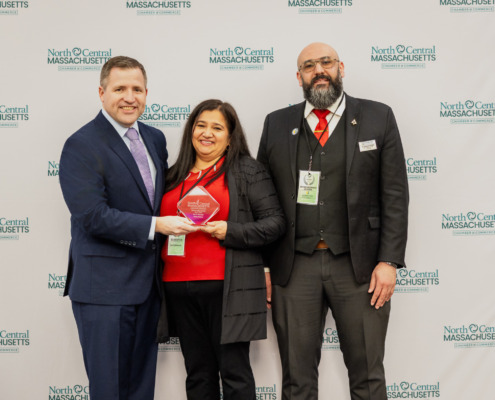

The reception features an open bar and gourmet appetizers.
View
Event
Join us for Connect North Central
Friday, September 25, 2026
8am-9am
View
Event
North Central Golf Tour Championship: Fore the Future
An FLNC Non-Traditional Scholarship Fundraiser
View
Event
Thank you Series Supporting Sponsor empHowered PR
View
Event
Join us for our 11th Annual
Congressional Luncheon
View
Event
Wednesday October 28, 2026
5:00pm - 7:00pm
View
Event
Join us for this in person HR Legal Update
View
Event
November 19, 2026
7:15am - 9:00am
View
Event
Chamber members are provided with the opportunity to engage with the Mayors of Fitchburg, Gardner, and Leominster who provide updates on projects and other things happening in their Cities. These events are by invitation only, please contact Travis Condon for more details.
View
Event
Bull Run Restaurant
215 Great Rd. Shirly, MA
View
Event
Join us for our last Connect North Central of the year!
Friday, December 11, 2026
8am-9am
View
Event
Chamber members are provided with the opportunity to engage with the Mayors of Fitchburg, Gardner, and Leominster who provide updates on projects and other things happening in their Cities. These events are by invitation only, please contact Travis Condon for more details.
View
Event
APRIL 3RD & 4TH, 2025
This notice is to inform you of upcoming traffic management and detour plans related to ongoing construction work. Please review the following information carefully as it pertains to temporary access, detours, and parking impacts.

Find out more at NorthStarFS.org.
Click Here For More Information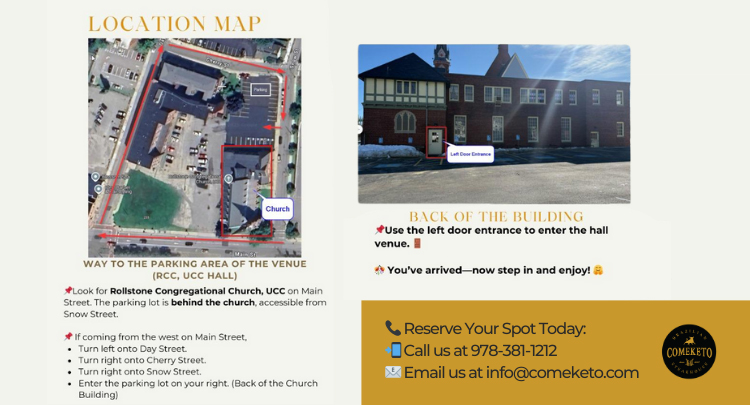
Join Comeketo for a one-day exclusive dining experience on March 29th at 199 Main St, Fitchburg, MA (inside the Congregational Church Hall).
5:30 PM & 7:30 PM
This is a one-time event (Not the new restaurant location)! Perfect chance to redeem gift cards.
Call us at 978-381-1212
Email us at
Book Online here
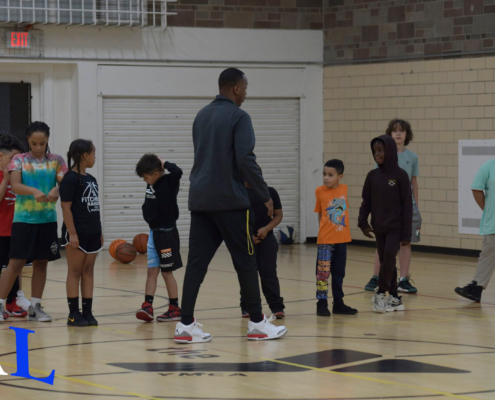
When the workday ends and the lights go down, Custom Cleaning Service of Peabody, Inc. gets to work. “We operate as our clients’ silent partner after business hours,” says Adam Paicos, of Templeton, who now serves as Director of Operations and oversees the company’s expansion into North Central MA. “We are not often seen, but we ensure facilities are clean, secure, and ready for business each day while serving as the eyes and ears for our clients when they are not on site.”

Discover local business stories through our Inside North Central Massachusetts Podcast series. Listen as Chamber members share their journeys, insights, and contributions to our thriving regional business community.

Looking for your next opportunity? Explore current job openings from employers across North Central Massachusetts on our Jobs Board. Whether you’re starting a new career or making a change, you’ll find a variety of local positions available to help you take the next step.
CapEx Facility Services & Construction · Leominster, MA
TaraVista Behavioral Health Center · Harvard, MA
DRS Power Technology, Inc. · Fitchburg, MA
AIS · Leominster, MA